Algorithmic ripples in web property cycles: synchronizing registry releases with ranking factor evolutions for portfolio stability
Jordan Lang · Jun 13, 2026
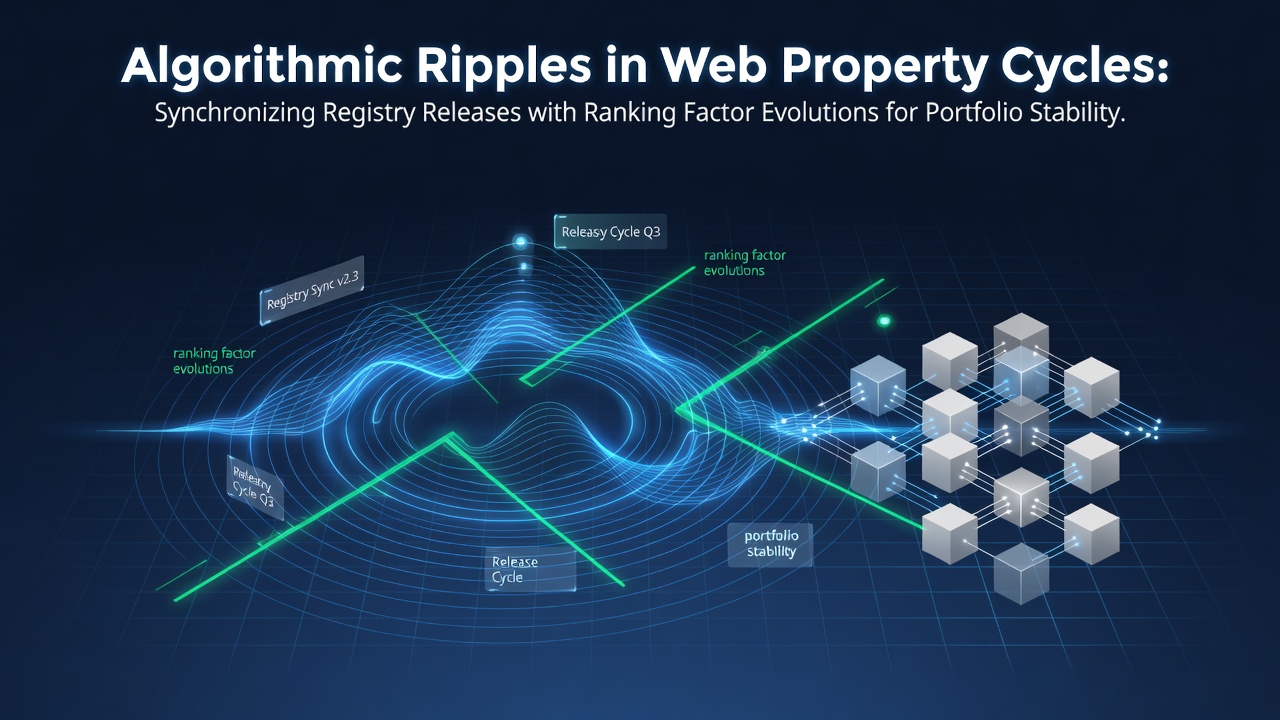
Algorithmic ripples in web property cycles: synchronizing registry releases with ranking factor evolutions for portfolio stability
Web property cycles operate through interconnected patterns where domain registry releases align with shifts in search engine ranking factors, and data from industry reports shows these intersections influence acquisition timing across large portfolios. Registry operators follow scheduled deletion and release cadences that release expired names back into circulation, while major engines adjust weighting on elements such as content freshness, backlink quality signals, and technical performance metrics.
Registry release patterns and their measurable cadence
Domain registries publish deletion lists on predictable schedules, and organizations tracking these lists record peaks that occur weekly for certain top-level domains. Figures from ICANN-coordinated zone files reveal that .com and .net deletions cluster around mid-week, creating windows when aged domains with residual authority become available again. Portfolio managers monitor these lists through automated feeds, because timing acquisitions immediately after deletion reduces competition while preserving historical signals that algorithms still reference during evaluation cycles.
Ranking factor evolutions and their documented effects
Search engines publish limited details on updates, yet external analyses from academic groups document measurable changes in how signals receive weight. A 2024 study from the University of Cambridge examined crawl frequency adjustments and found that domains with consistent historical activity retained ranking positions longer after certain core updates than newly registered names. Observers note that factors including mobile rendering speed, structured data adoption, and entity recognition continue to evolve, with each iteration altering the relative value of aged versus fresh web properties.
Aligning release schedules with algorithmic shifts
Portfolio stability improves when acquisition teams map registry calendars against known update histories, and several organizations publish aggregated timelines that combine both datasets. For instance, releases scheduled in the weeks following major engine adjustments allow buyers to secure names before new weighting schemes fully propagate through indexes. Data indicates that domains released during these intervals often carry pre-existing link profiles that align with updated quality thresholds, reducing the need for immediate remediation work.
One documented approach involves layering registry monitoring tools with change-detection scripts that flag ranking factor announcements from official engine channels. Teams then cross-reference these flags with deletion lists, creating acquisition queues that prioritize names whose age and backlink composition match the incoming signal priorities. This method has produced measurable retention rates in portfolios tracked over multi-year periods.
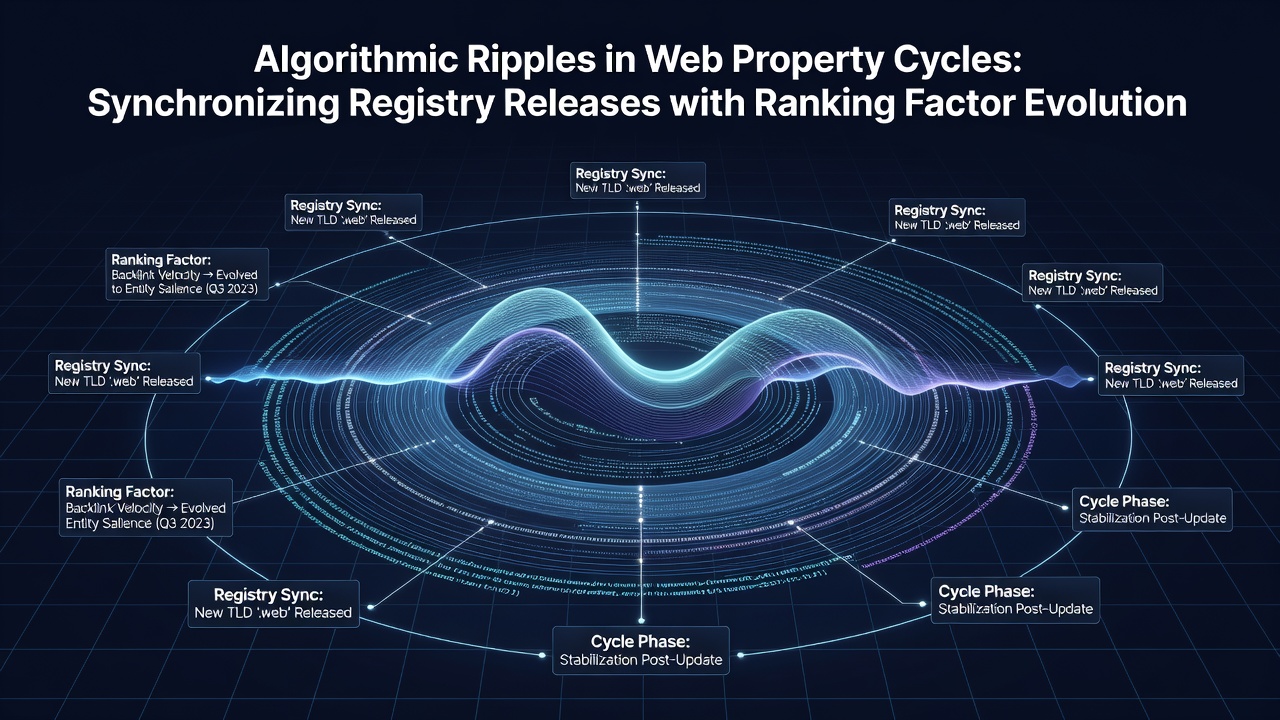
June 2026 developments and their projected intersections
Industry calendars already list several registry policy reviews and potential engine refreshes slated for mid-2026. June 2026 sits at the convergence of planned .com registry renewal cycles and anticipated core algorithm revisions based on prior biennial patterns. Organizations preparing for this period have begun pre-mapping deletion forecasts against projected weighting changes in areas such as user engagement metrics and geographic signal strength. Early coordination allows portfolios to absorb new assets without abrupt valuation swings when both registry and algorithmic events occur close together.
Portfolio construction techniques that account for dual cycles
Effective approaches segment holdings by age cohorts and backlink velocity, then apply release timing filters that favor periods immediately after documented ranking adjustments. Quantitative models from research institutions track correlation coefficients between deletion timing and post-acquisition performance, revealing stronger stability when acquisitions follow major updates rather than precede them. Managers adjust bid thresholds dynamically, using historical performance data to calibrate exposure during synchronized release windows.
- Automated alerts that combine registry feeds with engine changelog monitoring
- Valuation models incorporating both domain age metrics and current ranking factor emphasis
- Staged rollout strategies that test small cohorts before scaling acquisitions
These techniques rely on continuous data streams rather than static rules, and teams update weighting parameters whenever new engine documentation appears. The result is a feedback loop where registry activity and ranking evolution inform each other continuously.
Conclusion
Synchronization between registry releases and ranking factor changes supplies a structural framework for maintaining portfolio equilibrium. Organizations that integrate deletion calendars with algorithmic timelines record steadier performance metrics across holding periods. Continued refinement of these alignment processes depends on access to transparent registry data and publicly documented engine signals, both of which remain central to long-term web property management strategies.