Aligning Web Property Clusters with Search Engine Evolution Cycles for Sustained Asset Performance
Uma Klein · Jul 2, 2026
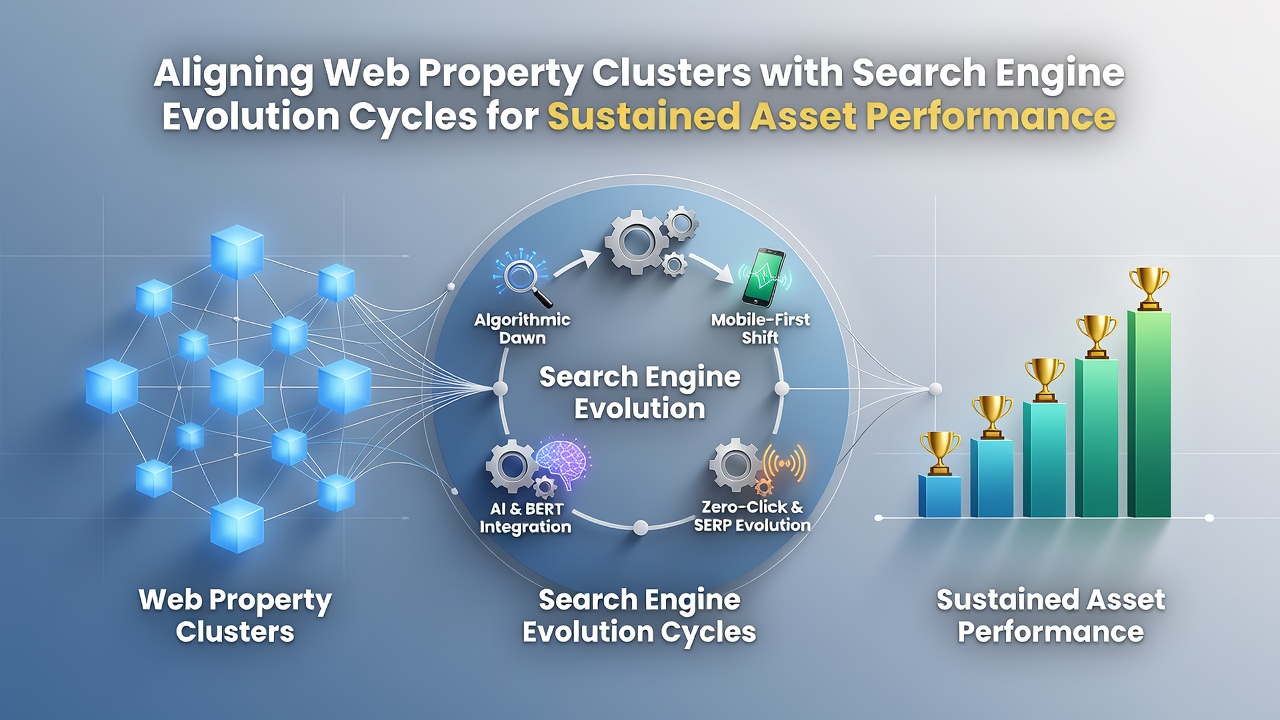
Aligning Web Property Clusters with Search Engine Evolution Cycles for Sustained Asset Performance
Web property clusters consist of interconnected groups of websites and digital assets that operate under coordinated strategies, and these structures require ongoing adjustments as search engines release updates to their ranking systems. Observers note that major engines such as Google and Bing implement core algorithm revisions at intervals ranging from several months to multiple years, with each cycle introducing changes to factors like content relevance, user experience signals, and link evaluation methods.
Research from academic institutions indicates that clusters built around shared hosting environments or thematic content networks tend to experience synchronized performance shifts during these updates. Data compiled by industry analysts shows that properties grouped in this manner often share similar backlink profiles and technical configurations, which means modifications in crawler behavior affect multiple assets simultaneously rather than in isolation.
Tracking Search Engine Update Patterns Over Time
Search engine evolution follows documented cycles where initial announcements precede broader implementation phases, and records maintained by organizations like the Search Engine Journal reveal consistent timing around major refreshes. In practice, these cycles incorporate feedback from previous rollouts, leading to refinements in how machine learning models assess site authority and topical depth. Clusters that monitor these patterns through analytics platforms gain the ability to redistribute content emphasis before full effects register across rankings.
Figures from European digital market studies highlight how regulatory frameworks in regions such as the European Union influence engine development priorities, particularly around transparency in ranking criteria. Clusters operating across multiple jurisdictions therefore incorporate compliance adjustments into their maintenance schedules to avoid penalties that could propagate through shared infrastructure.
Methods for Synchronizing Cluster Assets with Algorithm Shifts
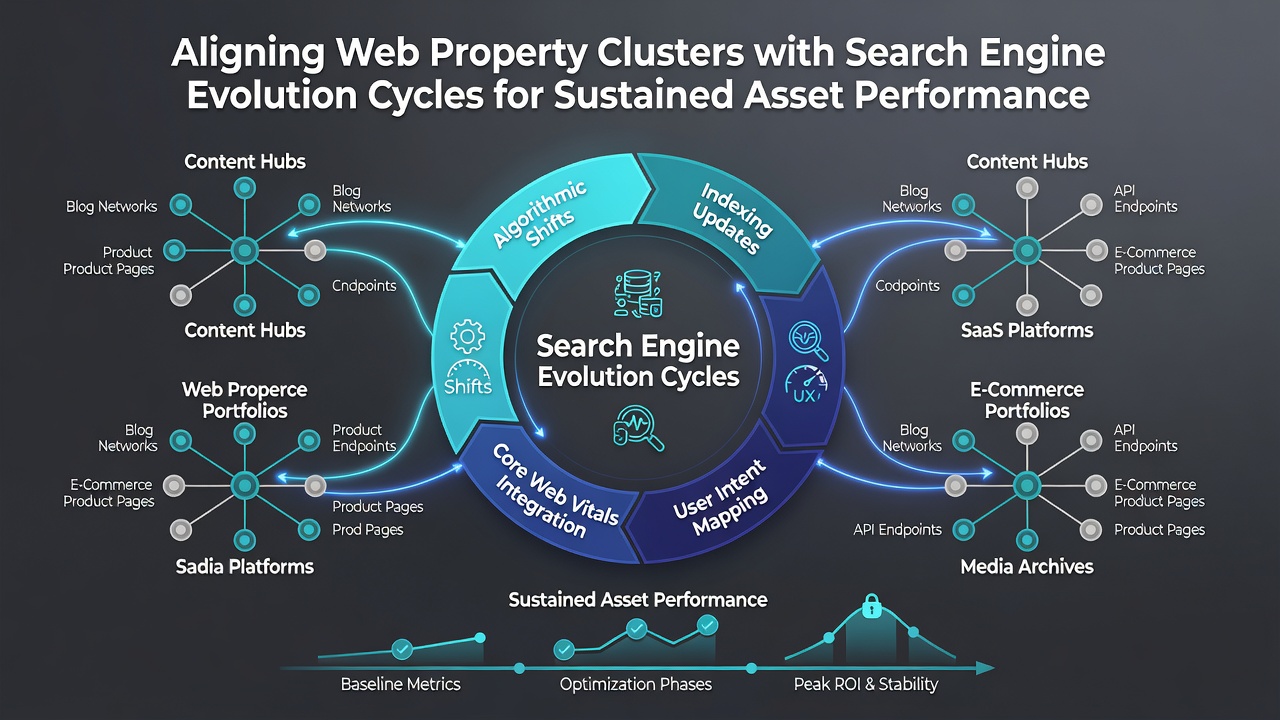
Alignment begins with mapping each property's technical baseline against known update parameters, including page speed thresholds and mobile rendering standards that engines have emphasized in recent cycles. Teams responsible for cluster oversight apply segmented testing environments where individual sites receive incremental modifications while others remain stable, allowing measurement of differential impacts without risking entire portfolios.
One documented approach involves thematic layering, where content hubs within a cluster receive updates staggered according to projected engine priorities. Australian research consortia have published findings on similar resource allocation models, demonstrating how timed content refreshes correlate with maintained visibility metrics across algorithm transitions. Clusters adopting these sequences report steadier traffic patterns because adjustments occur in phases rather than as reactive overhauls.
Performance Metrics Across Multiple Update Windows
Longitudinal data collected through web analytics services demonstrates that clusters maintaining diversified hosting and content distribution exhibit reduced volatility during successive engine revisions. Metrics such as organic session duration and bounce rates serve as early indicators when engines alter their weighting of engagement signals. Operators track these indicators across cluster nodes to identify which assets require priority recalibration ahead of anticipated cycles.
By July 2026, several forecast models project an additional layer of evolution centered on multimodal search integration, where engines combine text, image, and video signals more extensively. Clusters positioned with pre-built multimedia repositories stand ready to align their asset structures accordingly, preserving performance continuity through the transition.
Resource Allocation Strategies for Ongoing Adaptation
Budget frameworks for cluster management allocate portions toward monitoring tools that aggregate update announcements from primary sources and secondary analysts. This setup enables proactive redistribution of internal linking structures and metadata optimizations before widespread ranking adjustments take hold. Institutions studying digital asset longevity emphasize the value of maintaining separate development tracks within clusters, which isolates experimental changes from core revenue-generating properties.
Coordination across clusters also extends to third-party integrations such as content delivery networks and security protocols, since engines increasingly factor infrastructure reliability into overall evaluations. Teams that standardize these elements across grouped properties reduce the cumulative risk associated with any single cycle's technical demands.
Conclusion
Sustained performance of web property clusters depends on systematic observation of search engine development timelines combined with phased implementation of technical and content adjustments. Organizations that structure their assets around these cycles maintain measurable stability in organic metrics, as evidenced by available performance datasets and regional regulatory analyses. Continued refinement of alignment processes supports long-term viability as engine capabilities expand through 2026 and beyond.