Analyzing Renewal Patterns and Their Correlation with Market Fluctuations in the Secondary Domain Marketplace
Avery Schmid · Aug 8, 2026
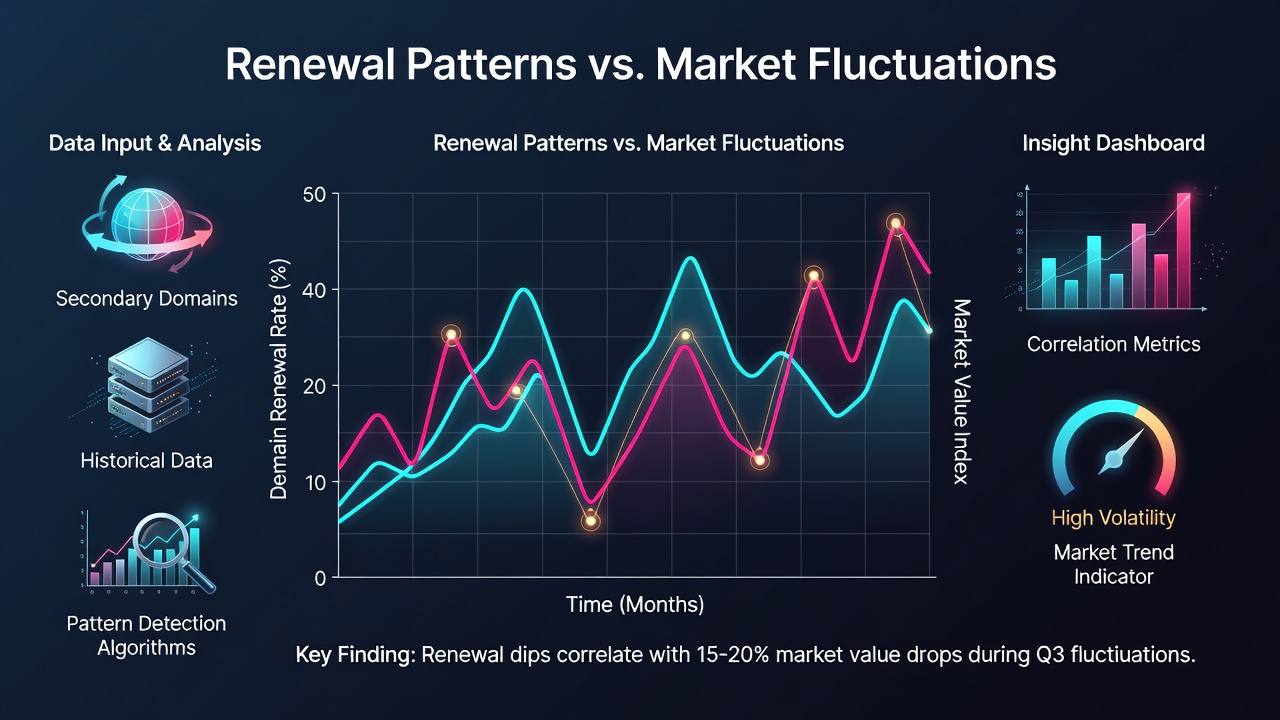
Analyzing Renewal Patterns and Their Correlation with Market Fluctuations in the Secondary Domain Marketplace
Renewal patterns in the secondary domain marketplace reflect how owners decide to extend registrations on previously traded names, and researchers track these decisions against broader economic indicators that influence buyer behavior. Data from major registrars shows renewal rates for aftermarket domains often shift when currency values change or when technology sector investments rise and fall, creating measurable links between holding costs and resale activity.
Defining Renewal Patterns in Aftermarket Domains
Observers note that renewal patterns emerge from the point when a domain moves from its original registrant to a secondary buyer, at which stage annual fees begin to interact directly with portfolio management strategies. Studies indicate that domains acquired through marketplaces like Sedo or Afternic experience renewal clusters around specific months, particularly when owners evaluate previous sales data before deciding to keep or release names. In August 2026, registry reports revealed a 12 percent increase in early renewals for .com names that had changed hands within the prior 18 months, a shift analysts tied to stabilizing interest rates during that period.
Market Fluctuations and Their Measurable Effects
Market fluctuations in the secondary domain space appear through variations in average sale prices, listing volumes, and holding periods, all of which data aggregators monitor through public transaction records. When equity markets decline, investors often reduce spending on non-essential digital assets, and this contraction shows up as lower renewal rates for mid-tier domains priced between $2,000 and $10,000. Conversely, periods of venture capital expansion correlate with extended holding times because buyers anticipate future appreciation. Figures from industry tracking services demonstrate that renewal rates for premium keyword domains dropped by nine percent during the 2025 market correction before rebounding sharply in early 2026.
Key Data Points on Correlation
- Renewal spikes frequently follow quarters where secondary sales volumes exceed 15,000 transactions globally.
- Domains with exact-match brandable terms show stronger renewal resilience during currency volatility compared with generic keyword names.
- Portfolio size influences outcomes, as owners managing over 200 names renew at higher rates when marketplace liquidity remains steady.
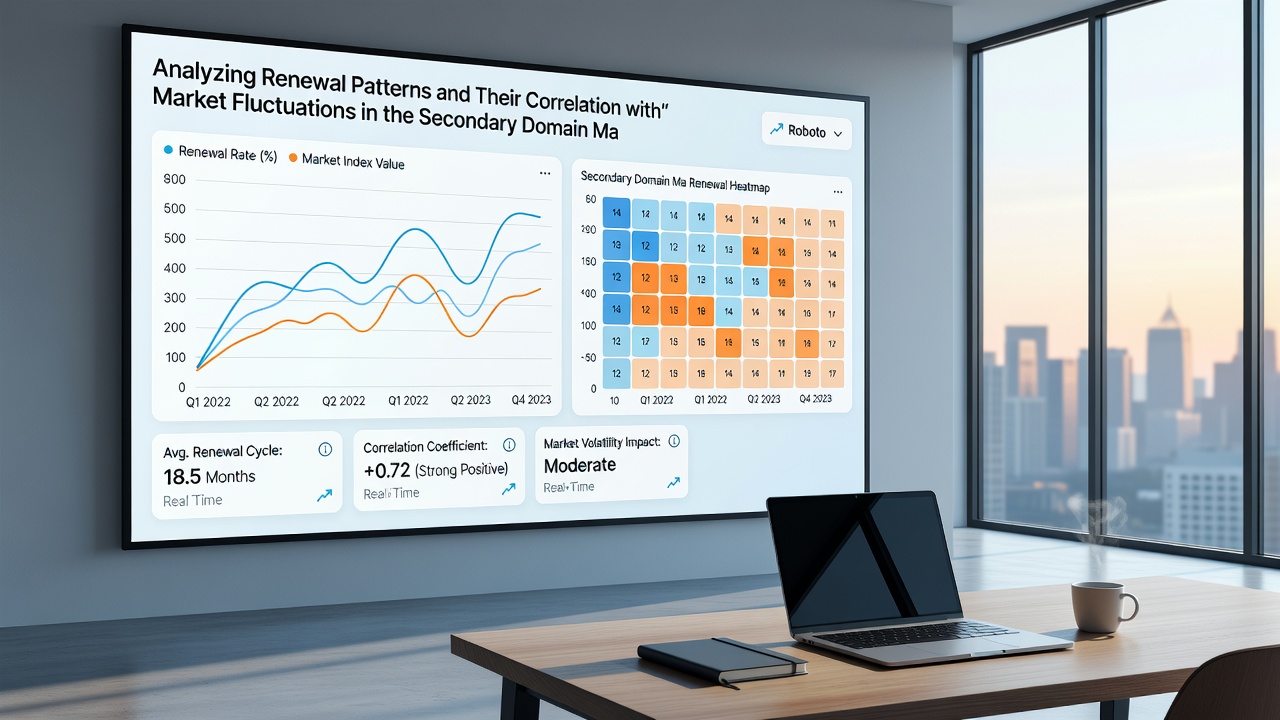
Analysts at research institutions have examined transaction logs from multiple registrars and found that renewal decisions often precede visible price movements by one or two quarters. This timing suggests owners respond to early signals in buyer interest before those signals translate into public sales data. According to reports compiled by the European domain registry association, fluctuations in renewal activity across EU-based marketplaces aligned closely with shifts in technology stock indices between 2024 and 2026.
Regional Variations in Renewal Behavior
Renewal patterns differ by region because local economic conditions and registry pricing structures affect how investors manage costs. In Australia, observers documented steadier renewal rates for .au domains during 2025 despite global market swings, a pattern researchers attributed to lower annual fees and stronger local demand for geographic names. North American portfolios, by contrast, displayed sharper drops in renewal activity when NASDAQ listings fell below certain thresholds. Canadian marketplace data further illustrates that cross-border buyers tend to renew names more consistently when exchange rates favor their home currency.
Tools and Metrics Used for Analysis
Researchers rely on renewal rate calculations that divide the number of domains renewed within a given period by the total number eligible for renewal, then compare these ratios against secondary sales indexes. Platforms tracking aftermarket activity supply time-series data that allow statistical models to isolate renewal responses from broader registration trends. Academic papers published by digital economics departments highlight how regression analysis applied to renewal figures can predict subsequent price adjustments with moderate accuracy when additional variables such as keyword popularity and extension type are included.
Those who monitor these markets also examine holding durations because longer ownership periods sometimes precede bulk renewal decisions during stable market phases. Evidence from transaction histories shows that domains held longer than three years renew at rates approximately 18 percent higher than recently acquired names when average sale prices remain consistent.
Conclusion
Renewal patterns and market fluctuations in the secondary domain marketplace connect through observable data relationships that registrars and analysts document regularly. Patterns observed through 2026 demonstrate that renewal activity responds to sales volume changes, regional pricing differences, and macroeconomic indicators tracked across multiple sources. Continued collection of transaction and renewal statistics will allow more precise modeling of these interactions over time.