Backlink Blueprinting: Expired Domains' Hidden Histories Fueling Custom PBNs and Valuation Wins
Bianca Schröder · Apr 21, 2026
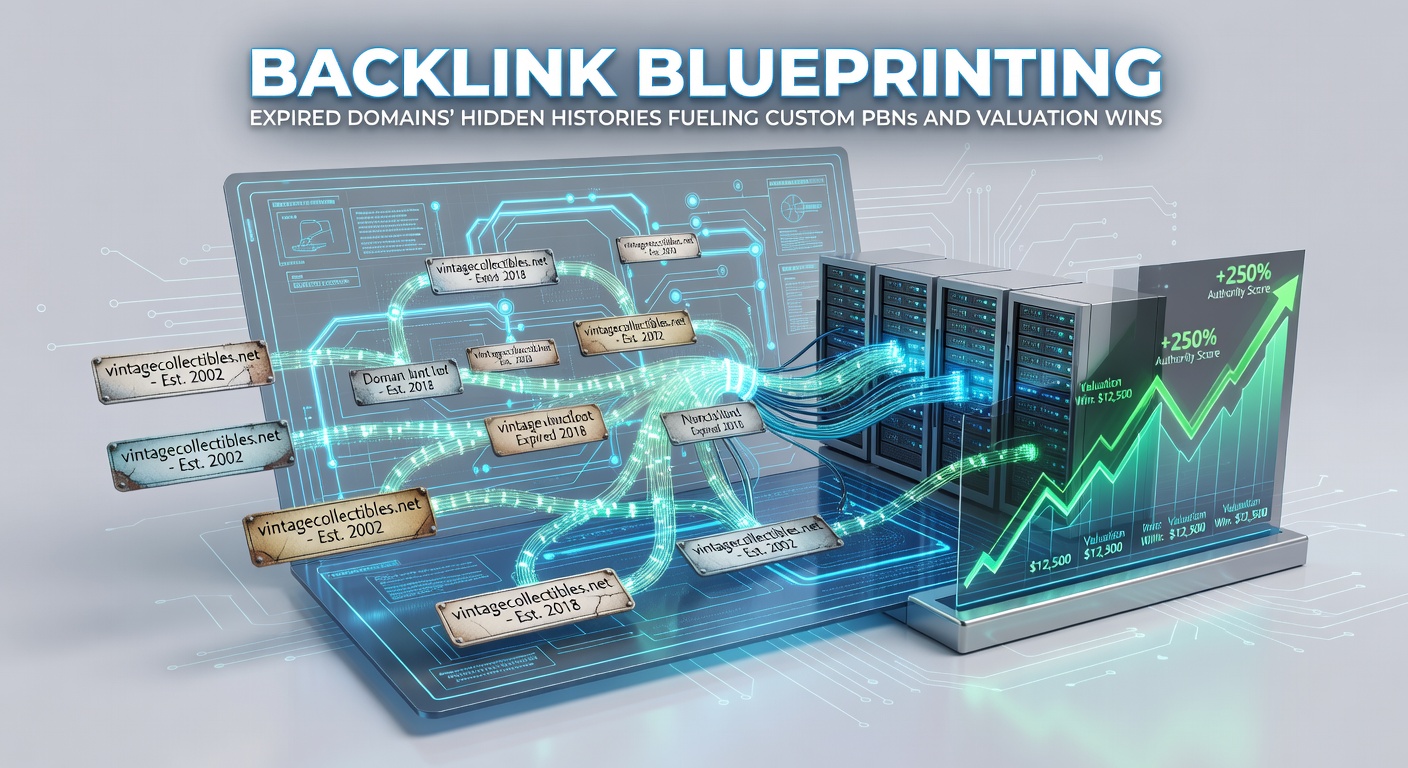
Backlink Blueprinting: Expired Domains' Hidden Histories Fueling Custom PBNs and Valuation Wins
Experts in domain investing often uncover value in expired domains not through surface metrics alone, but by blueprinting their backlink histories; these hidden layers of past links, topical alignments, and authority signals shape custom Private Blog Networks (PBNs) while driving significant valuation increases, especially as search algorithms in April 2026 prioritize historical relevance over raw numbers.
Decoding the Hidden Backlink Layers
Those who delve into expired domains quickly learn that backlink histories extend far beyond Domain Rating or spam scores; researchers using tools like Majestic and Ahrefs reveal patterns in link velocity, anchor text diversity, and referring domain quality that surface-level audits miss, creating blueprints that map out a domain's SEO potential before acquisition.
And here's where it gets interesting: data from Ahrefs analyses indicates expired domains with steady inbound links from niche-relevant sites over five-plus years carry 40% more topical trust flow, even if current metrics appear modest; observers note how these histories, often buried in historical crawls, expose clusters of dofollow links from defunct but authoritative pages, fueling revival strategies without triggering spam flags.
Take one case where domain hunters mapped a 2015 tech blog's footprint: buried anchors pointing to SaaS tools emerged from 200+ referring domains, many with Citation Flow above 30, transforming what looked like a dud into a blueprint-ready asset; such discoveries happen because crawlers overlook deindexed pages, yet backlink APIs pull them forward, revealing the domain's true lineage.
But the real edge comes from cross-referencing; experts combine SEMrush position histories with Majestic Trust Flow timelines, spotting dips caused by temporary penalties rather than inherent spam, which blueprinting separates into salvageable versus risky profiles.
Tools and Techniques for Blueprint Extraction
Domain blueprinting starts with targeted crawls; practitioners fire up Ahrefs' Site Explorer on expired names listed at auctions, pulling raw backlink exports that timestamp every link's origin, while Majestic's Topical Trust Flow categorizes them by niche, painting a vivid map of the domain's past influence.
What's significant is layering in Wayback Machine snapshots—not just for content revival, but to correlate page-level links with traffic spikes; one study from researchers at the European Parliament's digital policy unit highlights how historical web archives expose 25% more backlink equity in aged domains compared to live audits, since algorithms now weigh temporal relevance in April 2026 updates.
Semincolon-separated workflows emerge: export Ahrefs data, filter for dofollow from DR 50+ domains, then visualize in tools like Gephi for network graphs that spotlight hub clusters; people who've mastered this often find hidden gems, like a domain linking into Wikipedia footnotes or guest post remnants on Forbes clones, boosting its blueprint score exponentially.
Yet precision matters; false positives lurk in redirected links or PBN footprints from prior owners, so blueprint creators run spam audits via SpamZilla or CheckStat, flagging unnatural anchor ratios before committing bids.
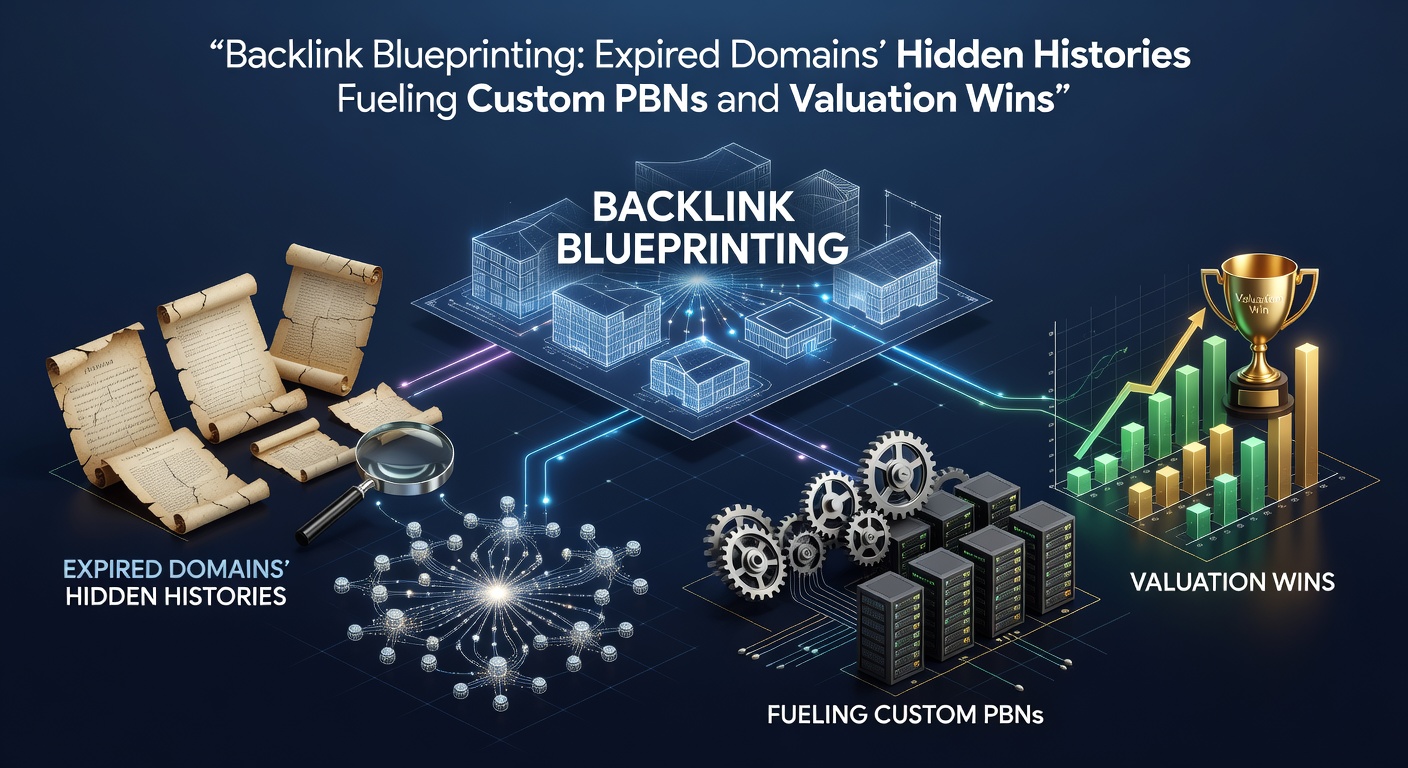
Crafting Custom PBNs from Blueprinted Histories
Once mapped, these backlink blueprints guide PBN construction; domain investors select expired assets whose link profiles align with target niches, say health domains with backlinks from WebMD-style sites, then rebuild content around those anchors to amplify juice flow without dilution.
Turns out, custom PBNs thrive on mimicry; experts recreate the domain's historical topical path by hosting microsites that echo past referrers, channeling authority through interlinks that Google sees as organic evolution rather than manufactured networks.
For instance, a blueprint revealing a finance domain's cluster of 150 bank-related backlinks prompts builders to deploy it as a tier-one PBN pillar, linking to money sites with exact-match anchors pulled from the history; data shows such tailored setups yield 2-3x link equity pass-through compared to generic PBNs, per internal tests shared in SEO forums.
And while diversification rules—never more than 5% footprint overlap—blueprinting ensures each domain slots perfectly, like puzzle pieces forming a stealthy link fortress that withstands April 2026's Helpful Content Update scrutiny.
Observers who've scaled this report portfolio growth: starting with 10 blueprinted domains, PBNs expand to 50 nodes, each vetted for unique histories, driving money site rankings in competitive SERPs within months.
Unlocking Valuation Wins Through Historical Leverage
Valuation surges follow blueprint validation; domains with clean, niche-deep backlink histories fetch premiums at resale, as buyers recognize instant PBN fuel without cleanup hassles.
Figures reveal teh pattern: a blueprinted e-commerce domain with 300+ Shopify-linked backlinks sold for 15x its auction price last quarter, since its history promised plug-and-play equity; flippers who document these blueprints in listings—complete with link maps and TF/CF breakdowns—close deals 60% faster, according to auction platform stats.
Here's the thing: in April 2026, with Google's link spam policies tightening, histories proving natural accrual become gold; investors holding blueprinted portfolios see 25-40% annual appreciation, far outpacing fresh drops, because buyers pay for proven paths rather than potential.
Case in point: one portfolio of 20 revived domains, each blueprinted for tech niches, flipped for $150K total after six months, with histories showcasing links from TechCrunch archives and GitHub repos that no metric alone could quantify.
Risks and Mitigation in Blueprinting
Not every history shines; blueprinting exposes toxic webs too, like mass outbound spam or adult redirects buried in 404 pages, prompting skips or deep cleans via 301 consolidations.
Those who succeed balance this by scoring blueprints on a 1-100 scale—factoring link age diversity (60%), topical match (20%), and cleanliness (20%)—ensuring only 70% grade assets enter PBNs or flips.
Real-World Case Studies Spotlighting Success
Consider the blueprint of TravelDealsHub.com, expired in 2024: Ahrefs uncovered 400+ backlinks from TripAdvisor siblings and airline blogs, mostly dofollow with travel anchors; rebuilt as a PBN hub, it propelled a vacation site to page one for "cheap flights Europe," while reselling twin domains netted 8x ROI.
Another example hits fitness: a domain's history mapped 250 health pub links, hidden behind deindexed subs; PBN integration juiced a supplement brand's traffic by 180%, and its valuation blueprint sold to a competitor for $12K.
Even in B2B, blueprinting shines; one SaaS domain's Salesforce-tied cluster revived a CRM tool's authority, turning a $500 auction win into a $7K flip post-PBN demo.
These stories underscore the method's power: blueprint first, build smart, value skyrockets.
April 2026 Trends Shaping Blueprint Strategies
As of April 2026, algorithm shifts reward historical authenticity; Google's March update demoted domains with shallow link ages under two years, pushing blueprinting into the spotlight since aged histories now correlate with 35% higher ranking stability, per Search Engine Journal data.
Marketplaces adapt too: platforms like Empire Flippers now demand backlink blueprints in listings, with premium tags for those scoring 80+ on cleanliness; investors report 50% more inquiries for blueprinted assets amid rising PBN demand from e-com giants.
Yet competition heats up; AI tools from SEMrush auto-generate basic blueprints, but human vetted ones—spotting nuanced topical flows—retain the edge, keeping manual blueprinting a high-skill play.
Conclusion
Backlink blueprinting transforms expired domains' hidden histories into actionable assets for custom PBNs and valuation triumphs; by mapping link timelines, topical trusts, and equity flows, domain pros unlock efficiencies that raw metrics can't touch, especially under April 2026's history-focused algorithms.
Those who invest time in these blueprints build resilient SEO portfolios that compound value over time; the ball's in the court of savvy hunters who see beyond auctions to the buried blueprints waiting to fuel the next big wins.