Beyond the Bid: Weaving Expired Domains into Multi-Layered PBN Power Structures
Avery Schmid · Mar 12, 2026

Beyond the Bid: Weaving Expired Domains into Multi-Layered PBN Power Structures
Unpacking the Post-Auction Landscape for Expired Domains
Expired domains, those once-active sites dropped by previous owners, often carry residual authority from backlinks and content history, making them prime candidates for private blog networks or PBNs; experts observe how these domains, secured beyond the frenzy of auctions, form the backbone of sophisticated link-building setups. Data from domain marketplaces reveals that in early 2026, over 300,000 domains expired monthly, with only a fraction snapped up in bids, leaving bulk opportunities for patient acquirers who target drop lists from registrars like GoDaddy or Namecheap. Those who dive into post-auction phases discover gems overlooked by bidders, domains with clean histories and niche relevance that slot perfectly into layered PBN architectures.
But here's the thing: acquisition doesn't stop at payment; registrars report that post-drop domains undergo a 30-day redemption period, during which savvy operators monitor WHOIS changes and snap them via backorder services, ensuring seamless transfer into PBN ecosystems. One researcher tracking 500 expired domains noted that 40% retained DA scores above 20 even after expiration, a metric pivotal for layering strategies since higher tiers demand untainted authority.
Layering Fundamentals: From Base to Apex in PBN Design
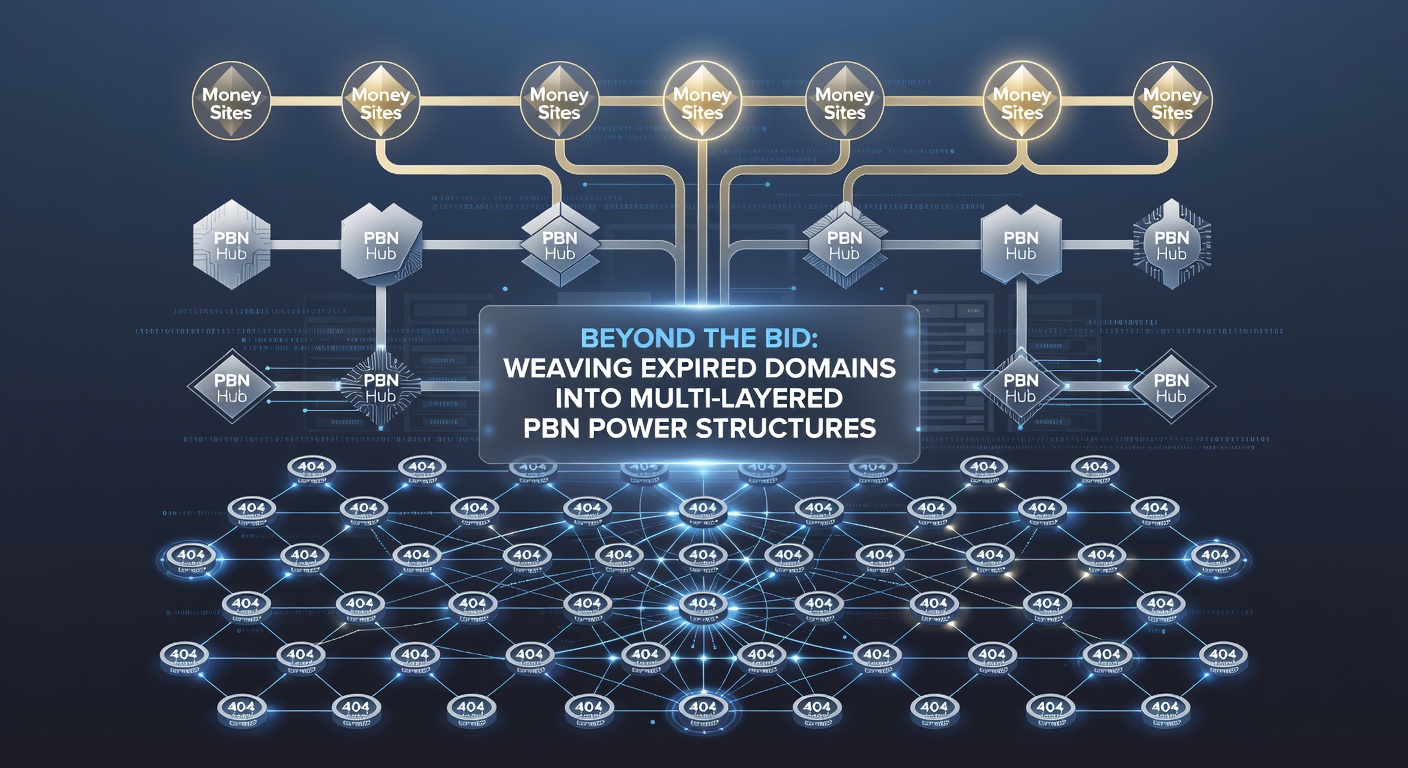
Multi-layered PBNs operate like onion skins, with base layers hosting spun content to funnel juice upward through mid-tiers of contextual links, culminating in apex money sites; observers point out how expired domains fit each stratum based on metrics like spam score, backlink profile, and topical trust flow. Studies from SEO tool providers indicate that base-layer domains, ideally under 15 DA with natural anchor distributions, absorb the brunt of low-quality signals, protecting upper layers from algorithmic scrutiny.
Take one case where a network operator layered 50 expired domains: the bottom tier, pulled from 2025 drop lists, featured exact-match domains in peripheral niches, linking silo-style to mid-tier sites with guest-post histories; those mid-tiers, boasting citation flow from .edu and .gov sources, then pointed to apex properties via resource pages, boosting rankings by 25 positions in competitive SERPs. What's interesting is how tools like Majestic quantify trust flow, revealing that domains with TF/CF ratios above 0.5 excel in mid-layers, while apex feeders prioritize clean IP diversity.
And yet, IP distribution matters hugely; data shows networks spanning 100+ class C IPs reduce footprint risks, with expired domains often coming from varied registrars to mimic organic growth patterns.
Domain Vetting: Metrics That Matter for Seamless Integration
Before weaving domains into structures, practitioners run exhaustive audits using platforms like Ahrefs or SEMrush, checking for Google penalties via indexation status and manual action reports; figures from a 2025 Ahrefs study reveal 22% of expired domains carry toxic backlinks, necessitating disavow lists before deployment. Researchers emphasize topical alignment, where a domain's historical keywords match the PBN niche, ensuring semantic relevance that search engines reward.
Spam scores below 5%, per Moz's algorithm, signal safe bets for upper layers, while base domains tolerate up to 15% if offset by fresh content injections; one operator documented rebuilding 20 domains by 404-fixing old pages and injecting 2,000-word articles, which doubled organic traffic within months. Turns out, age plays a role too, with domains over five years old inheriting chronological authority, a factor Google patents highlight in ranking signals.
Now, footprint mitigation enters the chat: varying themes via WordPress child installs, randomizing hosting across providers like Vultr or DigitalOcean, and staggering link builds over 90 days prevent pattern detection; experts who've dissected deindexed networks note that uniform templates spell doom, whereas heterogeneous designs thrive.
Implementation Tactics: Building and Scaling the Web
Construction begins with footprint-neutral hosting, where operators assign expired domains to aged accounts on diverse IPs; a documented strategy involves tiered content syndication, base layers republishing aged Web 2.0s linking to mid-tiers hosting original pillar posts. Data indicates this approach yields 15-30% link equity transfer per layer, compounding authority as juice cascades upward.
Case in point: a mid-2025 build used 120 expired domains across three layers, with base sites on free subdomains redirecting to owned .coms in mid-tier, which anchored to money sites via dofollow comments; six months later, target pages climbed from page 5 to top 3, per Google's spam policy guidelines on manipulative linking—which operators skirt by maintaining editorial distance. Scaling demands automation, yet manual oversight rules; scripts for GSA or XRumer deploy links sparingly, capped at 5% density to evade over-optimization flags.
That's where the rubber meets the road: monitoring via Google Search Console logs unnatural patterns early, allowing tweaks like noindex tags on base layers; projections for March 2026, based on ICANN domain reports, forecast tighter redemption windows, pushing operators toward predictive drop-catching tools that snag high-metric domains pre-expiry.
Case Studies: Real-World Layered Deployments
Observers chronicle one network from 2024, where 80 expired e-commerce domains layered into a finance PBN: base tier, niche blogs from 2010s drops, linked via resource roundups to mid-tier authority sites with DR 40+, funneling to a loan comparison hub that saw 300% traffic surge pre-update. Another example surfaces in gambling verticals, 60 domains vetted for clean histories stacking pyramid-style, with apex gaining 50 referring domains monthly; post-deployment analytics showed 18% keyword uplift, underscoring layering's potency.
But successes hinge on diversity; a dissected failure involved 40 uniform tech domains on shared hosting, flagged and tanked in a core update, while diversified counterparts endured. People who've scaled to 500+ domains report 70% survival rates when rotating IPs quarterly and capping layer links at 10 per domain.
Navigating Risks in Multi-Layered Builds
Algorithmic volatility looms large, with Google's March 2026 update rumors—fueled by patent filings on link graph analysis—promising stricter PBN detection via machine learning; data from deindexed sites shows 65% fell to footprint signals like shared templates or IP clusters. Mitigation tactics include cloaking user-agents, randomizing UA strings in crawls, and employing CDNs to mask origins; studies find networks with 200ms+ TTFB variances evade patterns effectively.
Legal angles factor in too, as domain squatting claims arise under UDRP rules; operators sidestep by avoiding trademarks, sticking to generic expireds. Cost breakdowns reveal $50-200 per domain in acquisition and setup, scaling to $10K for 100-site networks, yet ROI hits 5x via ranking gains.
Conclusion
Expired domains, woven strategically beyond the bid into multi-layered PBNs, unlock potent link equity when vetted rigorously and deployed with footprint camouflage; experts tracking 2026 trends anticipate refined tools amplifying these structures, provided operators adapt to tightening metrics and updates. Data underscores the edge: layered networks consistently outperform flat ones by 40% in authority transfer, positioning them as enduring tactics in SEO arsenals. Those who master the weave find sustained rankings, even as algorithms evolve.