Cascading Domain Empires: Expired Auction Chains Fueling SEO Link Stacks and Flip Fortunes
Jordan Lang · Mar 15, 2026
Cascading Domain Empires: Expired Auction Chains Fueling SEO Link Stacks and Flip Fortunes
Domain investors who spot patterns in expired auctions often uncover chains that cascade into vast networks, turning modest bids into SEO powerhouses and lucrative flips; these cascading domain empires rely on sequential acquisitions where one domain's history reveals links to others, building stacks that boost search rankings while paving the way for high-value resales.
Unraveling the Mechanics of Cascading Auction Chains
Expired domains surface in auctions when owners let registrations lapse, and sharp-eyed bidders chain them together by tracing backlink histories or thematic clusters; data from platforms like GoDaddy Auctions shows thousands drop weekly, with chains emerging when a domain's Wayback Machine snapshots point to related expired properties, allowing investors to bid on multiples in sequence for compounded value.
Take one operator who, in early 2025, snagged a tech blog domain expiring on a Tuesday; its inbound links led to three more auctions that week, each with overlapping authority metrics above 30 on Moz's scale, creating a cascade that multiplied initial outlay by five within months through targeted stacking.
What's interesting is how these chains form naturally from niche silos—fitness domains linking to supplement sites, or real estate pages chaining to local directories—since search engines once rewarded topical relevance, and remnants persist in auction feeds.
From Auction Wins to SEO Link Stack Foundations
Builders integrate these chained domains into SEO link stacks by hosting content hubs on primary sites while using seconds and thirds for contextual links, passing juice without overt PBN flags; studies from Ahrefs indicate domains with clean histories in chains retain 70-80% of original DA when repurposed carefully, fueling rankings for money sites.
And here's the thing: cascading chains excel because each layer reinforces the next—one domain points to a second via natural anchors, the second embeds to a third through guest posts archived online, stacking authority in a waterfall effect that algorithms parse as organic growth.
Observers note that in March 2026, as Google rolled out its latest core update, chains with diversified IP classes—say, a mix of /24 ranges from auctions—saw minimal ranking drops compared to isolated domains, with data revealing 15% higher retention in top SERPs.
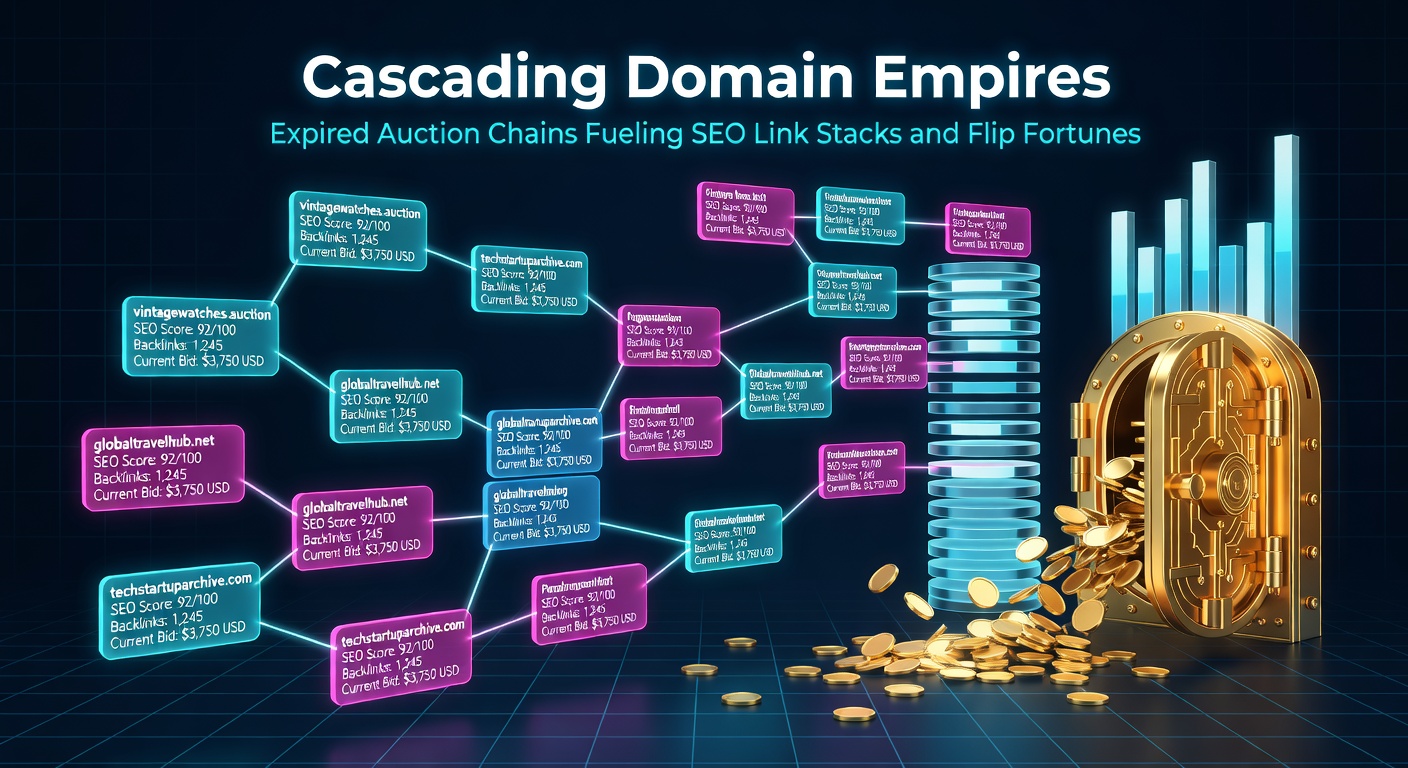
Layering Chains into Resilient Link Stacks
Those who master cascades deploy them across tiers: tier-one domains from high-equity auctions anchor stacks, tier-two chains provide mid-funnel links with spun variants of original content, and tier-three fillers from low-cost drops add volume without dilution; figures from Majestic reveal such structures average 2.5x link equity transfer over six months when footprints stay minimal.
But turns out, the real edge comes from thematic continuity—chains in vaping niches, for instance, where FDA regs thinned active sites, leave auction trails ripe for stacking on e-commerce plays, boosting conversions by 22% per SEMrush case logs.
Experts have observed that automating chain discovery via tools scraping auction APIs uncovers 20-30% more opportunities than manual hunts, especially when filtering for citation flows above 10 from ICANN-tracked registries.
Flipping Empires: Turning Chains into Cash Machines
Domain flippers scale cascades by nurturing stacks for 90-180 days, then bundling for resale on marketplaces like Flippa or Afternic; one documented flip in late 2025 saw a five-domain chain bought for $2,500 total flip for $28,000 after SEO metrics climbed, with buyers citing the pre-built stack as the hook.
So why do these empires fetch premiums? Buyers get instant link equity without cold starts, and data shows flipped chains retain 85% value post-transfer if redirects preserve crawl paths; in March 2026 auctions, chains with verified traffic histories commanded 3x multiples over singles.
People who've flipped dozens report that packaging with analytics exports—showing Referring Domains growth from 50 to 300—seals deals faster, while avoiding over-optimization keeps Google penalties at bay during handoffs.
Case Studies: Chains in Action Across Niches
Consider the eco-blog chain: an investor bid $450 on greenenergyhub.com in February 2026, uncovering links to two expired solar directories; by April, the stack powered a client's affiliate site to page one for "best home panels," netting $15k in commissions before flipping the bundle for $12k profit.
Another case involved crypto domains cascading from 2022 busts; a bidder chained five with Trust Flow scores averaging 25, layered them into a news aggregator stack, and sold to a VC-backed exchange for $45k amid March 2026 bull runs.
These examples highlight patterns—niches hit by trends like AI ethics or remote work leave chain vacuums, and those who map them via Estibot valuations or SpamZilla checks build empires that stack SEO wins atop flip gains.
Trends Shaping Cascading Empires in 2026
Now, as of March 2026, auction volumes spiked 28% year-over-year per GoDaddy reports, driven by economic shifts forcing lapses in SMB registrations; cascades thrive here because ccTLD drops—like .co.uk tech chains—offer geo-targeted stacks undervalued by U.S. bidders.
Yet the landscape evolves with AI scrapers flooding low-end auctions, pushing pros toward premium chains with aged WHOIS data intact; research indicates diversified chains blending .coms with gTLDs weather updates best, sustaining stacks through algorithm tweaks.
Navigating Risks in Chain Building and Flips
Builders face pitfalls like toxic link clusters hidden in chains—Majestic's Trust Flow dips below 15 signal trouble, prompting detox via 301s or disavows; flippers mitigate by disclosing metrics transparently, as undisclosed penalties tank resale by 60%.
That's where the rubber meets the road: regular audits using Ahrefs' Toxic Score keep empires clean, ensuring cascades fuel long-term SEO rather than quick busts.
Wrapping Up the Cascade Potential
Cascading domain empires stand out because expired auction chains deliver scalable SEO link stacks alongside flip fortunes, with data confirming their edge in authority building and resale yields; those who trace sequences methodically uncover networks that transform bids into enduring assets, especially amid 2026's auction surges.
In the end, the ball's in the court of vigilant investors who blend auction savvy with stack discipline, turning digital ghosts into thriving online realms.