Charting Registry Policy Shifts and Their Ripple Effects on Global Name Asset Liquidity Cycles
Jordan Lang · Aug 20, 2026
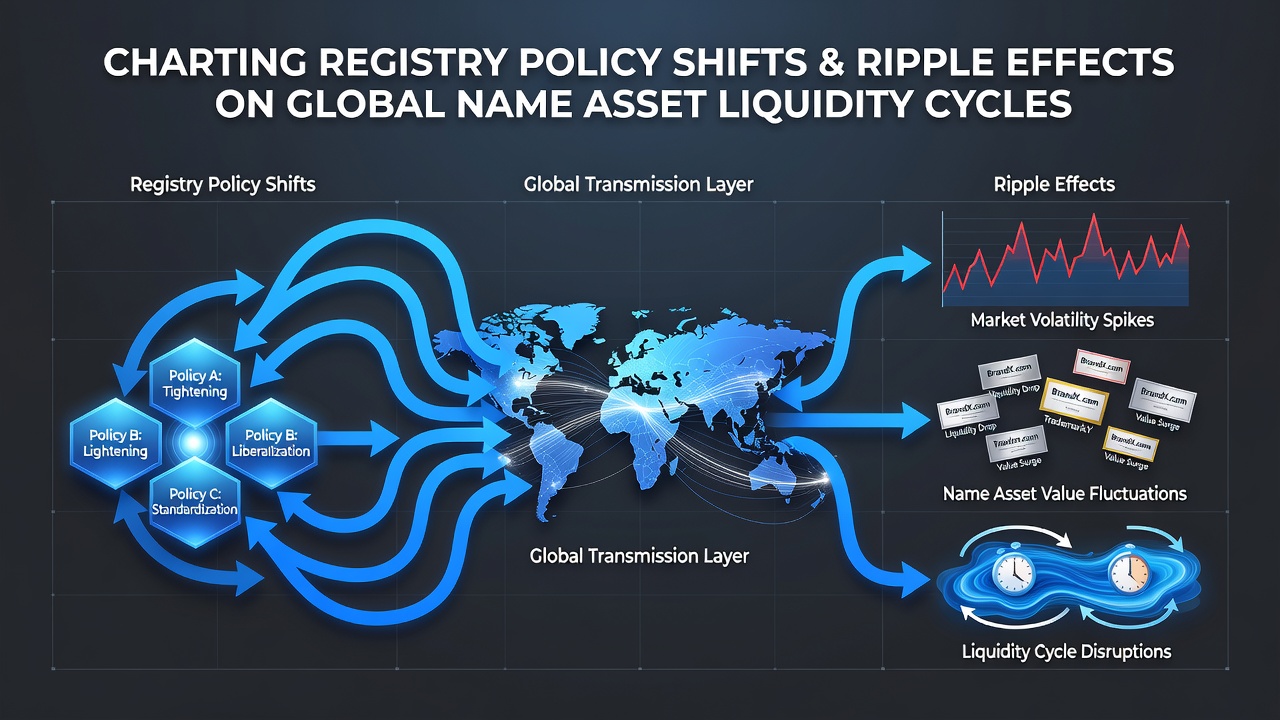
Charting Registry Policy Shifts and Their Ripple Effects on Global Name Asset Liquidity Cycles
Registry operators have adjusted pricing structures, renewal requirements, and transfer protocols in recent cycles, and these modifications have altered how domain assets move through primary and secondary markets. Observers tracking ICANN-coordinated changes note that updates rolled out between 2024 and 2026 shifted holding costs for certain generic top-level domains while introducing new compliance layers for registrars. Those adjustments directly influence liquidity because buyers and sellers respond to altered cost baselines when deciding whether to retain, transfer, or release names.
Policy Adjustments Across Major Registries
Centralized databases maintained by operators such as Verisign and PIR show revised fee schedules that took effect in early 2025, followed by additional tweaks scheduled for August 2026. These revisions include tiered renewal pricing tied to registration volume and new grace-period limitations that shorten the window during which expired names remain recoverable at standard rates. Data compiled by regional registries in Europe and Asia-Pacific regions indicate similar patterns, with some country-code operators imposing stricter residency verification steps that slow cross-border transfers. The combined effect compresses the time available for arbitrage and raises the threshold at which investors consider a name liquid.
Impact on Secondary Market Turnover
Marketplace transaction logs from 2023 through mid-2026 reveal measurable changes in average days-to-sale for names listed after registry fee announcements. When renewal costs rose for legacy gTLDs, volume in those extensions declined while interest migrated toward newer extensions that retained lower base pricing. Researchers examining transaction data note that names previously considered core portfolio holdings now appear more frequently in bulk liquidation lots because owners recalculate carrying expenses against projected resale margins. Liquidity cycles therefore shorten for higher-cost segments and lengthen for extensions still operating under older fee models.
Regional Variations in Liquidity Response
North American registrars report faster adoption of automated transfer tools following the 2025 policy updates, whereas operators in the European Union have layered additional data-protection checks that extend settlement times by several days. Australian and Canadian registries introduced volume-based discounts that some portfolio managers have used to consolidate holdings, thereby reducing the number of names entering the aftermarket. These geographic differences create staggered liquidity waves rather than uniform global shifts, and analysts tracking cross-border flows have documented corresponding changes in average sale prices between regions.
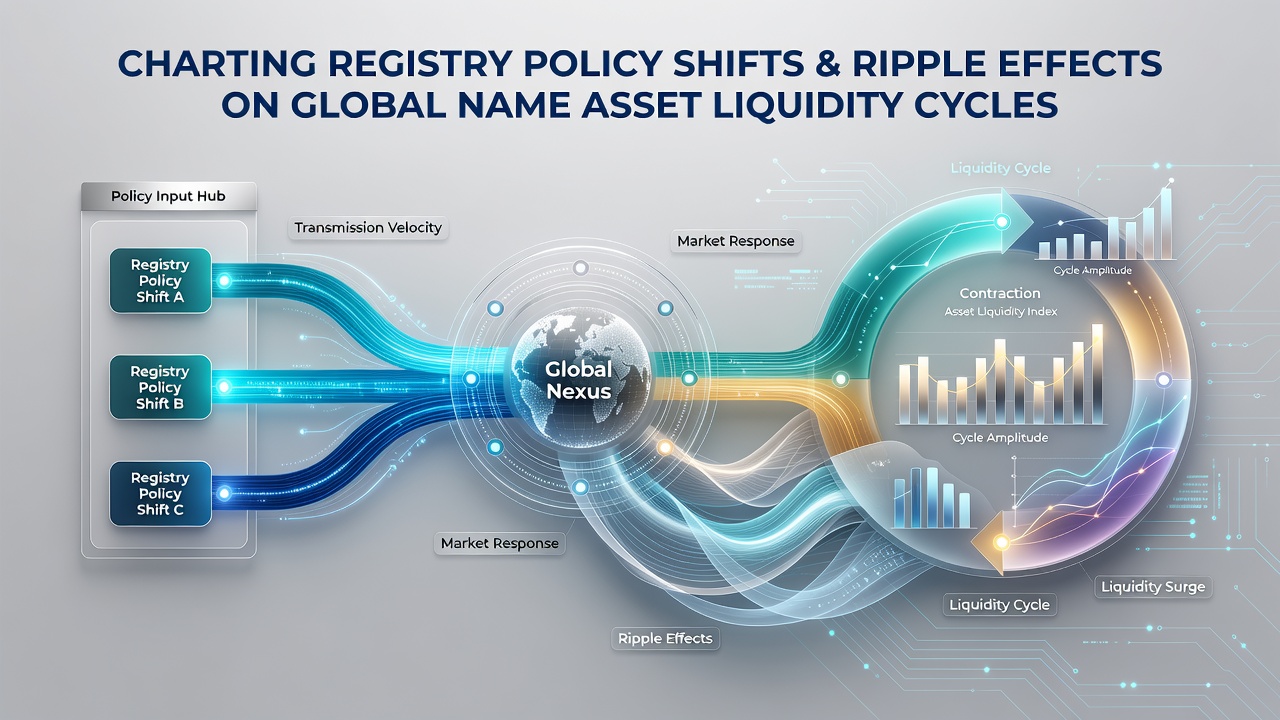
Data Patterns Emerging in 2026
Figures released by ICANN's compliance team for the first half of 2026 show a modest uptick in deletion rates for certain legacy extensions coinciding with the August fee adjustments. At the same time, registration volumes in select new gTLDs have increased as investors seek lower ongoing costs. Academic studies from institutions examining internet infrastructure economics indicate that these movements follow predictable supply-and-demand responses once holding-cost thresholds are crossed. Liquidity therefore does not vanish but reallocates toward extensions whose registry policies remain comparatively stable.
Transfer and Compliance Rule Changes
Updated transfer policies now require additional authorization steps for high-value names, and registrars have implemented automated flags that pause transactions pending manual review. While these measures reduce certain forms of rapid cycling, they also extend the period between listing and settlement, which affects cash-flow calculations for traders who rely on quick turnarounds. Evidence from transaction platforms demonstrates that names subject to extra compliance layers spend longer in escrow and experience narrower bidding spreads during auction windows.
Conclusion
Registry policy shifts continue to reshape cost structures and procedural timelines that govern domain asset movement. The August 2026 adjustments add another layer to an ongoing sequence of changes that began in 2024, and market participants adjust acquisition and divestment strategies accordingly. Observers tracking these cycles note that liquidity does not follow a single trajectory but fragments across extensions, regions, and compliance regimes as each policy revision takes hold.