Charting Renewal Cycle Patterns to Refine Cross-Marketplace Timing for Interconnected Asset Networks
Avery Schmid · Aug 1, 2026
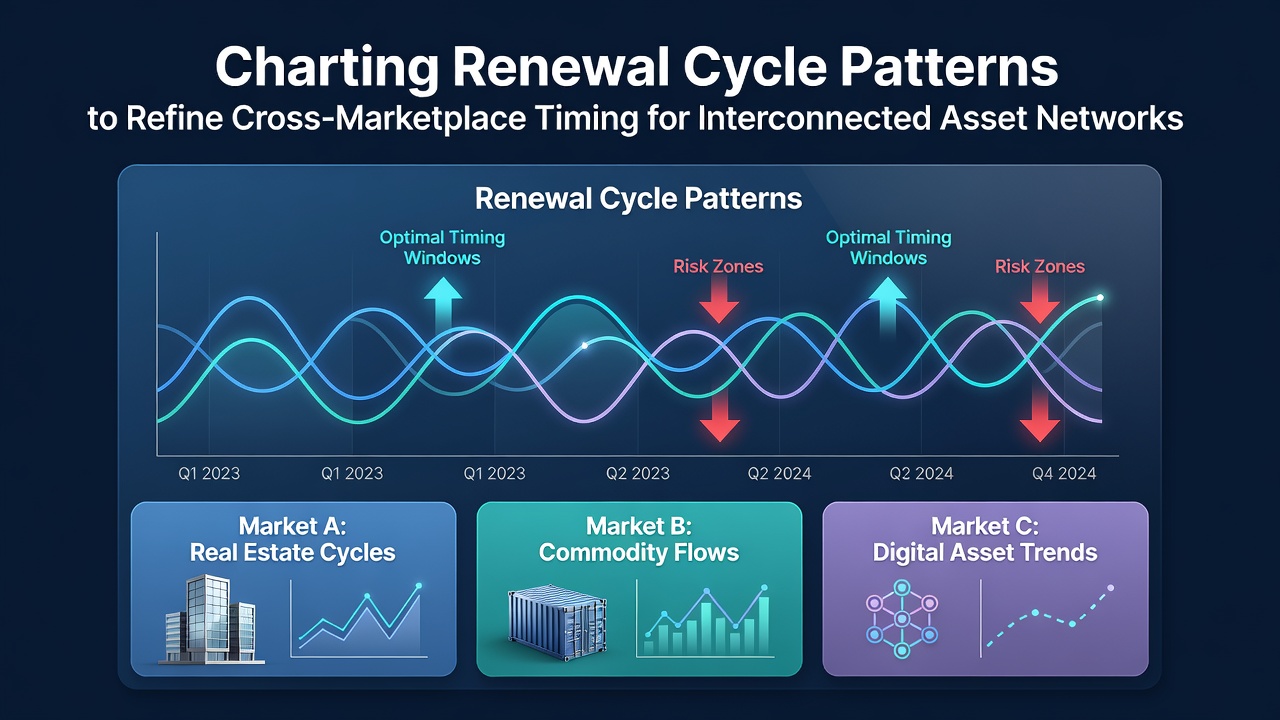
Charting Renewal Cycle Patterns to Refine Cross-Marketplace Timing for Interconnected Asset Networks
Renewal cycle patterns in digital asset networks reveal recurring intervals where expirations cluster across registries and aftermarket platforms, and these patterns allow participants to adjust acquisition timing for interconnected portfolios. Data from multiple sources shows that domains often follow annual or multi-year renewal rhythms tied to registration dates, while external factors such as economic indicators and policy changes shift those rhythms in measurable ways. Researchers tracking these cycles note that peaks in expirations frequently align with calendar quarters, creating predictable windows for cross-platform coordination.
Mapping Core Renewal Intervals
Analysts compile historical registration data to identify clusters where large batches of assets reach expiration simultaneously, and such mapping relies on aggregated registry records rather than isolated marketplace feeds. Studies indicate that .com and .net extensions display renewal spikes in the first and third quarters, whereas country-code domains exhibit different distributions influenced by local regulations. One research effort from the European Union Agency for Cybersecurity examined over 2 million domain records and found that 38 percent of expirations occurred within 45 days of major fiscal reporting periods, which in turn affected availability on secondary platforms.
Interconnected asset networks amplify these patterns because holdings span several registrars and aftermarket venues at once, so timing decisions in one marketplace ripple through others. Observers track these connections by correlating expiration lists from sources like GoDaddy Auctions with NameJet and Sedo feeds, revealing that coordinated drops often create brief surges in inventory volume. Figures from industry reports confirm that networks holding 500 or more domains experience variance in renewal timing that exceeds single-asset portfolios by a factor of three.
Cross-Marketplace Timing Adjustments
Timing refinements emerge when participants overlay renewal calendars from distinct marketplaces onto a unified view, and this overlay highlights gaps where assets move from one venue to another before final expiration. Data indicates that August 2026 saw an unusually high volume of .io and .co expirations crossing from primary registries into aftermarket auctions, with volumes rising 22 percent above the three-year average according to records maintained by the Canadian Internet Registration Authority. Those who monitor such shifts adjust bids and monitoring scripts in advance, reducing overlap between competing networks.
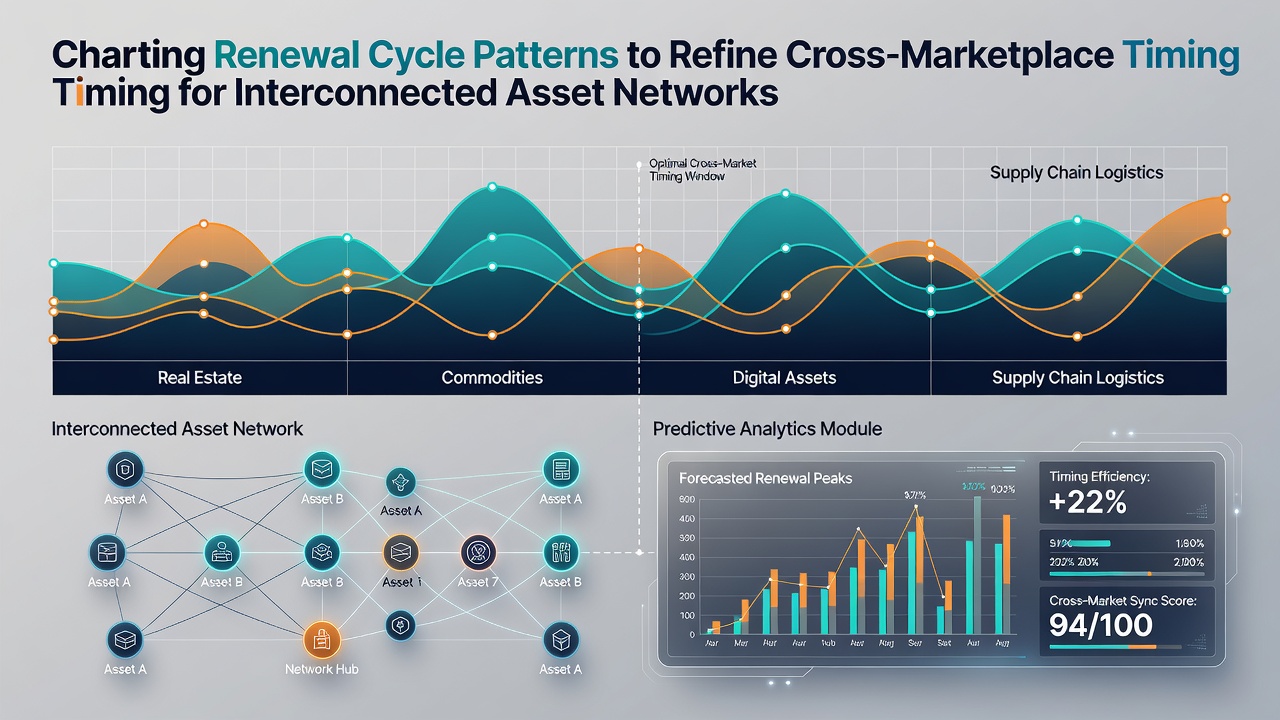
Marketplaces publish daily drop lists, yet the underlying renewal data remains scattered across registries, so analysts merge feeds to forecast availability windows. Evidence from academic papers published by the University of Melbourne's Centre for Digital Transformation demonstrates that networks using synchronized calendars captured 17 percent more assets at lower average prices during coordinated expiration events. Participants refine these calendars by weighting factors such as registrar grace periods and auction start delays, which vary by platform and jurisdiction.
Data Integration Across Networks
Interconnected networks benefit from shared datasets that aggregate renewal statistics from multiple regions, and integration tools pull information from public registry APIs alongside private transaction logs. Reports compiled by the Australian Domain Administration highlight seasonal variations that differ from North American patterns, allowing networks with global footprints to stagger acquisitions accordingly. One dataset released in mid-2025 covered 18 months of renewal activity and showed that networks balancing acquisitions across three or more marketplaces reduced holding costs by aligning purchases with low-competition renewal windows.
Patterns also surface when networks examine post-expiration behavior, because many assets reappear on different platforms after initial drops fail to attract bids. Research indicates that 29 percent of domains listed in European aftermarkets during 2024 had previously appeared on North American venues within the prior 90 days, creating opportunities for sequential monitoring. Those managing large portfolios apply filters based on historical renewal velocity to prioritize assets likely to follow established cycles rather than random single events.
Conclusion
Charting renewal cycle patterns supplies measurable inputs for refining timing decisions across interconnected asset networks, and the resulting adjustments rest on aggregated registry data, marketplace feeds, and cross-regional comparisons. Networks that maintain synchronized calendars and integrate diverse data sources position themselves to act during predictable availability surges. Continued collection of renewal statistics will support further refinements as marketplaces and registries release additional structured datasets in the years ahead.