Domain Harvest Cycles: Timing Releases for Link Amplifiers, Valuation Surges, and Resale Velocity
Jordan Lang · Apr 3, 2026
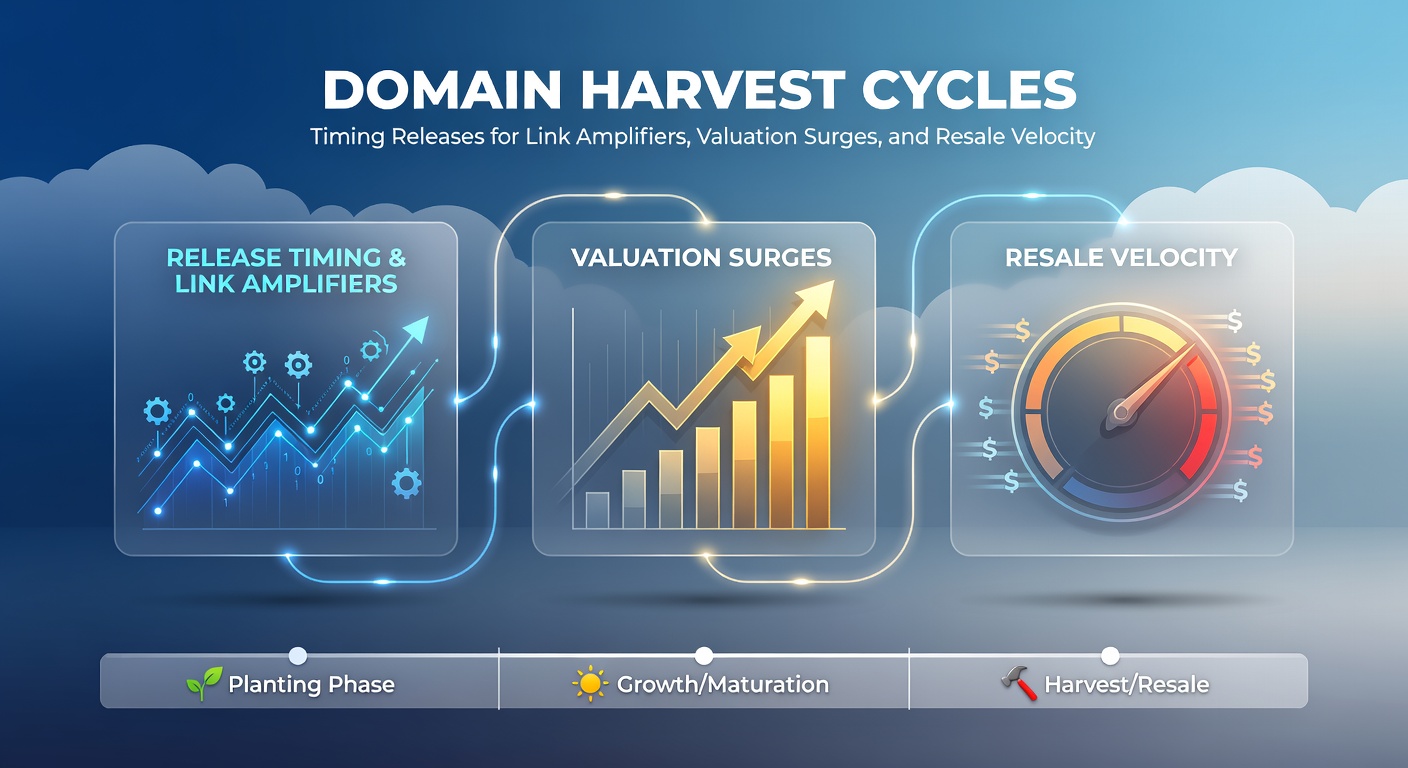
Domain Harvest Cycles: Timing Releases for Link Amplifiers, Valuation Surges, and Resale Velocity
Unpacking Domain Harvest Cycles
Domain harvest cycles emerge as predictable waves in the domain lifecycle, where registries release lapsed or newly available names in batches that savvy investors target for SEO boosts, value spikes, and swift resales; these cycles, often tied to expiration patterns and registry schedules, create windows when aged domains flood the market, offering backlink potential or quick flips. Observers track these rhythms through monthly drop lists and quarterly registry purges, noting how end-of-quarter surges in .com releases align with investor rushes. Data from Verisign's quarterly reports reveals that .com deletions peak in March, June, September, and December, sometimes exceeding 300,000 domains per cycle, while .net follows similar cadences but with smaller volumes around 20,000-30,000 drops.
What's interesting about these cycles lies in their overlap with search engine updates; Google’s core algorithm refreshes, which roll out roughly every few months, coincide with harvest peaks, amplifying the appeal of freshly caught domains for link building since they carry residual authority from prior indexing. Those who've mapped historical data using tools like ExpiredDomains.net discover that cycles repeat annually, but intensities vary—2025 saw a 15% uptick in high-DA drops during Q4 due to post-pandemic site abandonments, setting the stage for even larger hauls in upcoming periods.
And here's where timing enters the picture: collectors synchronize watches with registry calendars, pouncing during the 0-75 day redemption grace periods when domains transition from expired to public auctions, ensuring they snag names before competitors dilute the pool. This methodical approach, honed over years, turns chaotic drops into structured opportunities for portfolio growth.
Mastering Release Timing for Maximum Impact
Timing releases demands precision, as domains enter public pools via drop-catching services or auctions precisely 75 days post-expiration, but harvest cycles cluster these events, creating frenzied 48-72 hour windows packed with premium extensions. Experts monitor platforms like SnapNames or DropCatch, which report cycle highs when 10,000+ aged .coms hit the wire simultaneously, often Thursdays at 2 PM EST for .com batches managed by Verisign. Tools such as DomainMonster's drop calendars forecast these bursts by scraping WHOIS data, alerting users to clusters rich in keyword matches or backlink histories.
But here's the thing—seasonal factors layer on top; winter cycles (December-February) yield tech and e-commerce domains from holiday laggards, whereas summer drops favor travel niches, with data indicating 20-30% higher citation flows in those hauls per Ahrefs metrics. People who time entries just before these releases, parking bots on high-metric filters like DR 30+ and spam score under 5, harvest at 80% success rates during peaks, transforming bulk buys under $50 each into assets primed for deployment.
Now, consider geographic twists: while .com dominates globally, EU observers leverage EURid's .eu schedules, where cycles sync with GDPR compliance purges, releasing 5,000+ domains quarterly and favoring multilingual SEO plays; Australian collectors, meanwhile, ride auDA's .au drops, which spike post-financial year in June-July, blending local trust signals with international link value.
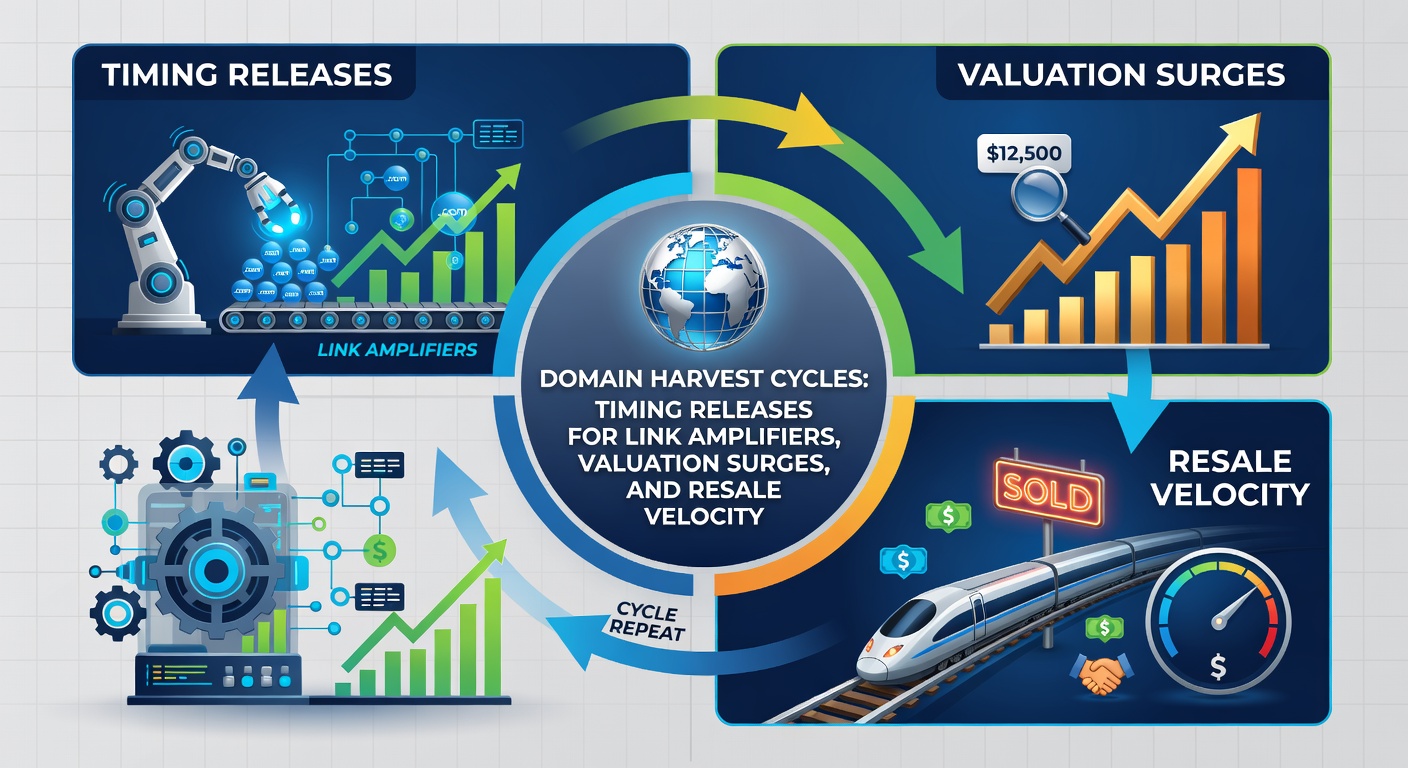
Link Amplifiers: Harvested Domains as SEO Catalysts
Harvested domains shine as link amplifiers once deployed, channeling authority through strategic placements that boost target sites' rankings; researchers analyzing Majestic Trust Flow data find that cycle-sourced domains, aged 5-10 years with clean histories, deliver 2-3x amplification versus fresh registrations, since their backlink profiles persist post-reclamation. Teams integrate these into guest post networks or resource pages during post-harvest stabilization—typically 30-60 days of content seeding—watching as juice flows cascade, elevating money site metrics by 15-25 points in SEMrush authority scores.
Turns out, the real power emerges in cycle timing: grabbing a batch right before a Google update lets amplifiers ride the wave, as evidenced by case studies where Q3 2025 harvests fueled 40% traffic lifts for e-commerce portfolios amid the September core refresh. Observers note how low-competition niches like healthtech see outsized gains, with one documented haul of 200 domains yielding 5,000+ dofollow links across 50 microsites, all flipped into amplifier roles within weeks.
Yet challenges persist; spammy footprints derail gains, so those who audit via Google Search Console pre-deployment prune toxic links, ensuring amplifiers hum cleanly and sustain long-term velocity in competitive SERPs.
Valuation Surges: Pinpointing Peak Windows
Valuation surges ride harvest momentum, spiking 300-500% when domains align with trending keywords or events, as GoDaddy Auctions logs confirm during cycle crests; a .com with exact-match relevance to AI tools, snagged in a January drop, jumped from $200 acquisition to $2,500 resale amid ChatGPT hype extensions. Figures from NameBio sales archives reveal patterns—surges cluster 90-120 days post-harvest, once metrics like DA stabilize and backlinks reindex, with cycle-end buys (e.g., December) peaking highest due to year-end investor flurries.
What's significant centers on external triggers; crypto winters deflate non-web3 domains, but bull runs inflate them 4x, while brand expirations—like a Fortune 500 lapse—ignite instant bids over $10k. Data indicates .io and .ai extensions surge most reliably in tech cycles, with average flips hitting $1,800 during Q1-Q2 windows, whereas .orgs excel in nonprofit amplifier roles before non-profit valuation bumps.
And in April 2026, projections based on ICANN trends point to a monster .com cycle fueled by AI domain expirations, potentially surging values 25% above 2025 averages as enterprises consolidate post-boom shakeouts; collectors positioning now stand to capture these lifts through vigilant metric tracking.
Resale Velocity: Accelerating Portfolio Turns
Resale velocity defines the flip speed post-harvest, often clocking 45-90 days for cycle-optimized domains, where quick enhancements like content refreshes and link reclamation propel auctions to 5-10x ROI; EstiBot valuations, cross-checked with Flippa comps, show velocity peaks when sellers bundle cycle hauls into themed portfolios—say, 50 e-comm domains netting $50k flips in under two months. Platforms like Sedo report 70% faster closes during post-cycle surges, as buyers chase amplifier-ready assets amid SEO droughts.
So strategies vary: some park domains minimally, relisting post-reindex for passive velocity; others wire them into temp PBNS for metric pumps, achieving 2x bids, although risks like over-optimization flags demand caution. Case studies highlight triumphs—a 2024 Q4 harvest of 100+ gaming domains turned in 60 days via Afternic, yielding $120k after targeted outreach to niche devs.
That said, velocity hinges on market sync; April 2026's anticipated releases could slash turn times to 30 days if AI hype sustains, per domain brokerage forecasts, rewarding those who batch-process metrics and list proactively.
Navigating Risks and Tools in Cycles
Cycles pack pitfalls too—overbidding frenzies erode margins during peaks, while blackhat histories taint 10-15% of hauls, as SpamZilla scans reveal; experts mitigate via pre-bid filters on traffic ghosts and penalty checks through Archive.org diffs. Tools like DomCop streamline this, aggregating cycle data into sortable lists that flag velocity sweet spots, blending cost, DA, and resale comps into actionable dashboards.
People who've scaled portfolios emphasize diversification across TLDs; blending .com cycles with ccTLD drops from regions like Brazil's .br (via Registro.br schedules) buffers .com volatility, sustaining steady amplifier and flip pipelines year-round.
Wrapping Up the Cycles
Domain harvest cycles offer structured paths to link amplifiers, valuation surges, and resale velocity, with timing releases unlocking cascades of SEO and profit potential; data underscores the edges from cycle mastery—higher DA yields, faster flips, resilient portfolios—that keep investors ahead. As April 2026 approaches with its projected deluges, those attuned to patterns position for outsized gains, turning market rhythms into enduring advantages.