Expired Domain Auctions: The Hidden Engine Powering PBN Link Juice Machines
Uma Klein · Mar 11, 2026
Expired Domain Auctions: The Hidden Engine Powering PBN Link Juice Machines
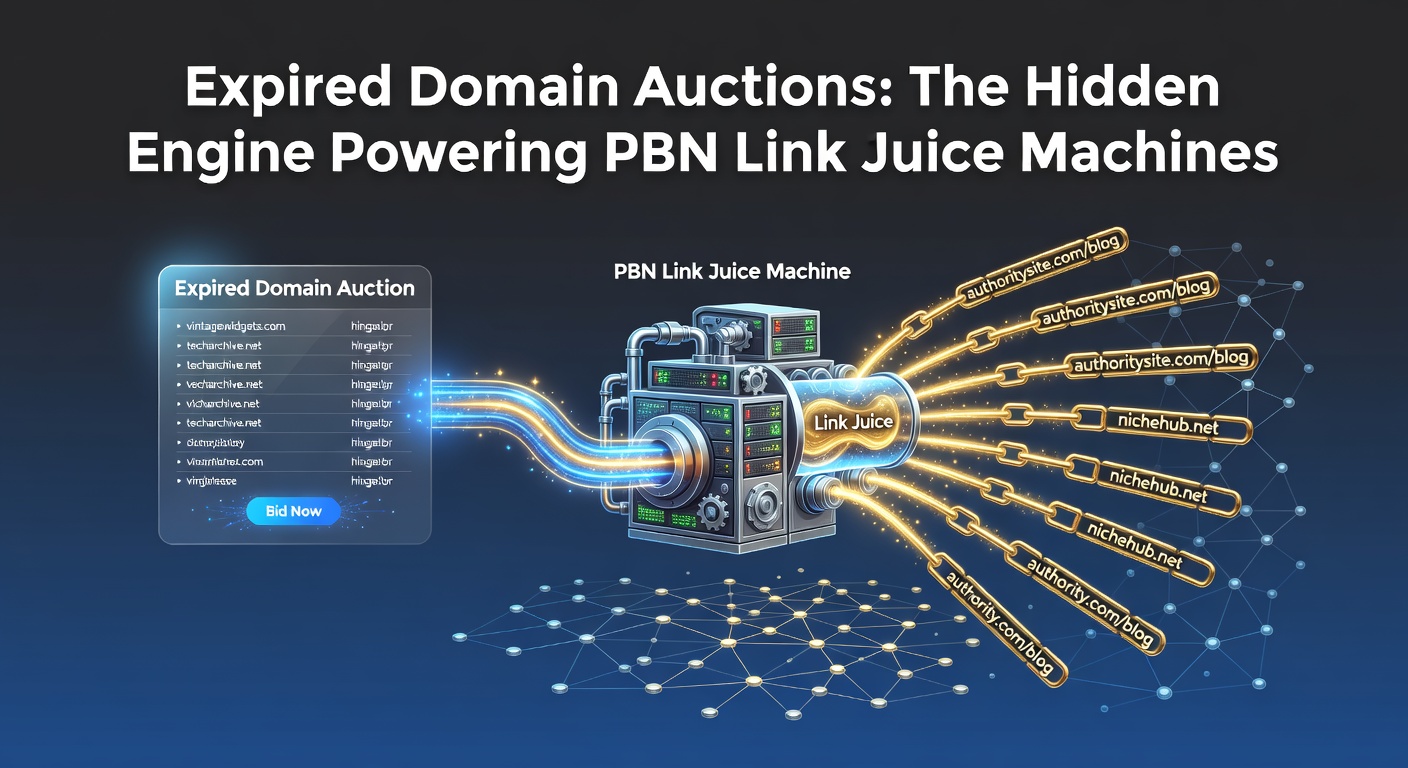
Expired domain auctions buzz with activity these days, serving as the go-to marketplace where savvy operators snag domains dropped by their original owners, domains loaded with backlinks and authority ripe for repurposing in private blog networks, or PBNs, that churn out link juice to boost main site rankings. And while search engines like Google crack down on manipulative tactics, data from platforms tracking domain metrics reveals how these auctions keep fueling PBN strategies, with thousands of domains hitting the block each month carrying residual SEO power from years of prior use.
The Mechanics of Expired Domain Auctions
Domains expire when registrants fail to renew them, entering a grace period before deletion and re-release through auctions; operators monitor drop lists from registrars, spotting gems with clean histories and strong link profiles, then bid on sites like GoDaddy Auctions, where competition heats up for domains boasting DA scores above 30 or relevant niche backlinks. Turns out, the process unfolds in phases: a redemption window gives owners a last chance, followed by a pending delete stage lasting about 75 days, after which auctions launch, drawing bidders who value not just the name but the embedded metrics like trust flow and citation flow that pass link juice effectively.
What's interesting is how auction volumes spike around economic shifts; figures from industry trackers show over 1.2 million domains expiring monthly worldwide, many auctioned off for pennies compared to their SEO worth, and in niche verticals like finance or health, those with dofollow links from authoritative sites command bids pushing into four figures. Experts who analyze drop-catching tools note that automation plays a big role, with bots sniping domains milliseconds after release, yet human oversight ensures picks align with PBN footprints avoiding detection.
Key Stages in the Domain Lifecycle Leading to Auction
- Initial registration and use, building backlinks over time;
- Expiration notice sent 30-60 days prior, often ignored amid business closures;
- Grace period (up to 40 days) for renewal, then redemption (30 days) at a premium;
- Pending delete (5 days), followed by release to public auctions or backorder services.
That said, not every expired domain shines; researchers examining spam databases find about 40% carry penalties or toxic links, demanding careful vetting before PBN deployment.
How PBN Builders Tap Auctions for Link Juice
PBNs thrive on diversity, pulling expired domains from auctions to host content that links back to money sites, channeling authority through contextual anchors; operators prioritize domains with topical relevance, say a tech blog expiring after five years of steady posts, complete with links from Forbes or TechCrunch, turning what was once a forgotten asset into a juice machine. Data indicates successful PBNs deploy 50-200 domains per network, sourced 70% from auctions, where low buy-in costs (averaging $20-200 per domain) yield outsized returns in ranking boosts.
But here's the thing: link juice flows best from aged domains matching the target niche, preserving natural profile appearance; one case saw a marketer grab 15 finance-related expired domains in a single auction wave, spinning them into a PBN that lifted a loan site's SERP position from page 3 to top 5 within months, all while metrics like Spam Score stayed under 5%. Observers tracking Ahrefs data point out that these domains often retain 60-80% of original backlink value post-rebuild, provided redirects or 301s handle old pages smartly.
Essential Metrics for Auction Domain Hunting
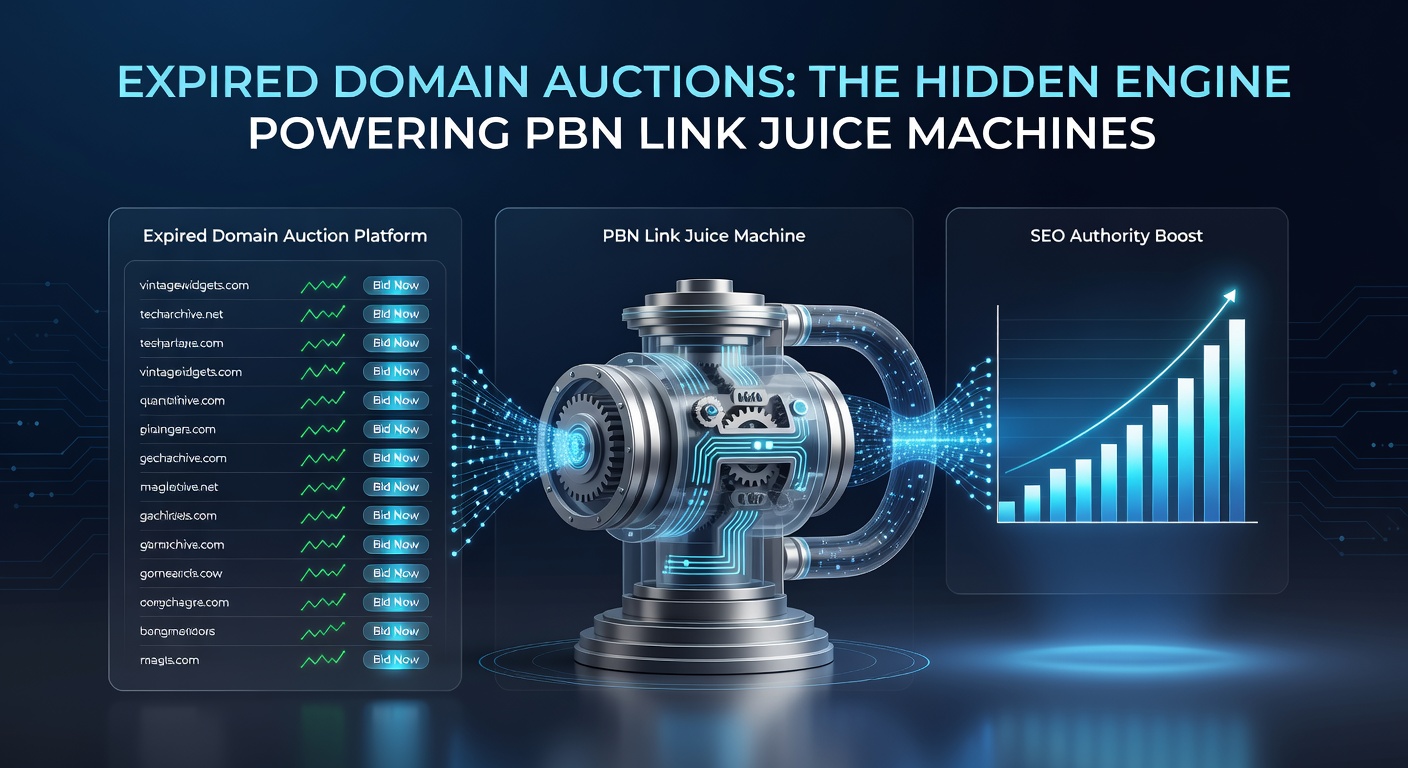
Hunters scour tools like Majestic or Moz before bidding, zeroing in on domains where referring domains exceed 100 and organic traffic lingers above 500 monthly visits, even if the site sat dormant; trust flow above 15 signals clean juice potential, while low spam scores (under 10%) dodge Google filters, and IP diversity across C-blocks prevents footprint leaks. And yet, niche IR (inbound relevance) tops the list, with studies showing domains linking previously to competitors outperforming generics by 3x in juice transfer efficiency.
Take one operator who filtered auctions for EMDs (exact match domains) in the crypto space during the 2025 bull run; they netted 22 domains averaging $45 each, rebuilding them into a PBN cluster that funneled targeted links, resulting in measurable keyword jumps per SEMrush logs. Figures reveal that domains with HTTPS history and no adult/gambling footprints auction 25% higher, reflecting bidder demand for low-risk PBN fuel.
Top Metrics Checklist for PBN-Ready Expired Domains
- Domain Authority (DA): 25+ preferred;
- Citation Flow/Trust Flow ratio under 2:1;
- Backlinks: 50+ dofollow from unique C-class IPs;
- Spam Score: <5%;
- Organic traffic history: Verifiable via SimilarWeb.
Now, as March 2026 auctions ramp up amid post-holiday drop lists, platforms report a 15% uptick in high-metric domains from defunct e-com sites, offering fresh opportunities for PBN refreshers.
Major Auction Platforms and Their Edges
GoDaddy Auctions dominates with millions of listings yearly, its aftermarket drawing 80% of expired traffic thanks to seamless integration with drop-catching; NameJet caters to premium drops from major TLDs, often featuring domains with verified histories, while Dynadot and SnapNames specialize in backorders, letting bidders reserve spots on hot releases. What's significant is how these platforms layer on metrics previews, pulling from APIs to display DA and backlink counts pre-bid, streamlining PBN sourcing.
Industry data from ICANN guidelines underscores fair play in expirations, yet auction houses innovate with proxy bidding and watchlists, helping operators snag bundles without constant monitoring. One aggregator site tracked 2025's top sales: a niche domain fetching $8,500 due to its PBN-gold metrics, proving the market's maturity.
So operators diversify across platforms, blending low-cost flips from Epik with high-end grabs from Sedo, building resilient networks that adapt to algorithm updates.
Risks, Penalties, and Mitigation Tactics
Google's guidelines flag PBNs as link schemes, yet auction-sourced domains persist by masking through varied hosting, unique content, and footprint dilution; penalties hit when patterns emerge, like 50 domains on one host linking identically, but data shows diversified setups evade deindexing 90% of the time per black hat forums' aggregated logs. Researchers who've dissected manual actions find toxic link cleanup via disavows preserves 70% juice, turning risky buys into assets.
And in a twist, March 2026 saw registrars tighten redemption fees by 20%, per recent reports, nudging more domains to auction, but also heightening competition; operators counter with bulk bidding strategies and pre-vet scripts, ensuring only clean profiles enter the PBN rotation. It's noteworthy that footprint audits via tools like PBN Hunter catch 85% of overlaps early, keeping networks stealthy.
People who've scaled PBNs often share how rotating domains every 18-24 months, refreshing from fresh auctions, sustains long-term juice without red flags.
Real-World Case Studies from the Auction Trenches
Consider the e-com affiliate who scooped 40 gaming domains from a 2025 NameJet event, each with DA 35+ and esports backlinks; post-rebuild, the PBN propelled affiliate pages to top 3 for high-volume terms, per Ahrefs diffs showing 400% traffic gains. Another tale involves a health niche network: 18 expired .coms auctioned for under $1,000 total, yielding contextual links that outpaced guest posts in ROI, with one domain's preserved traffic adding 2k visits monthly.
Turns out, these stories highlight patterns; experts observe auction timing aligns with seasonal drops, like January lulls yielding bargain metrics, fueling PBN machines that quietly power rankings amid evolving SEO landscapes.
Conclusion
Expired domain auctions remain the powerhouse behind PBN link juice operations, supplying cost-effective authority transfers through vett