Registry Cycle Mapping: How Jurisdictional Release Windows Shape Authority Transfers Across Clustered Web Assets
Uma Klein · Jul 25, 2026
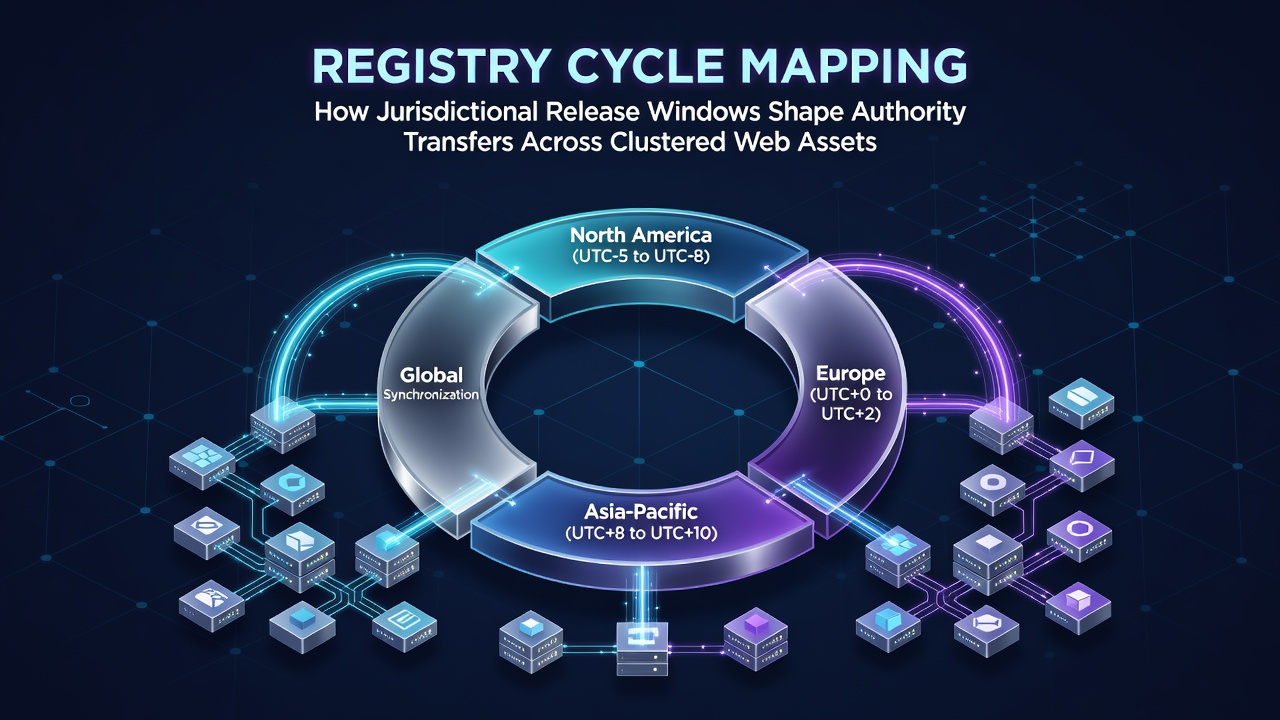
Registry Cycle Mapping: How Jurisdictional Release Windows Shape Authority Transfers Across Clustered Web Assets
Registry cycle mapping tracks the timing and sequence of domain releases across different national and regional registries, and these patterns directly influence how authority signals move between groups of interconnected web properties. Observers note that release windows vary by jurisdiction because each registry operates under its own deletion policies, grace periods, and redemption phases, which in turn affect when expired names become available for re-registration and subsequent use in linked asset networks.
Understanding Jurisdictional Release Windows
Release windows represent the specific intervals during which a registry makes previously registered domains available after they pass through expiration, auto-renew grace, and redemption stages, and data from multiple registries shows these intervals range from a few days to several weeks depending on the governing rules. For instance, the .com and .net registries managed under ICANN contracts follow standardized timelines that differ from those used by country-code registries such as .ca operated by the Canadian Internet Registration Authority, where longer redemption periods can delay availability by up to 60 days after expiration. Researchers tracking these cycles have documented how staggered release schedules create predictable windows during which clusters of related domains can be secured in coordinated sequences.
Authority Transfer Mechanisms in Domain Clusters
Authority transfers occur when backlinks, historical usage data, and trust signals from one domain propagate to others within a managed group, and registry timing plays a measurable role because domains released earlier in a cycle can be integrated into existing clusters before later releases occur. Studies of domain lifecycle data indicate that clusters assembled across multiple jurisdictions often exhibit stronger continuity when operators align acquisitions with overlapping release windows, allowing authority from aged domains to reinforce newer additions without extended gaps in operational history. In July 2026, updated reporting from several European ccTLD operators highlighted adjustments to redemption periods that shortened certain windows by five to seven days, which altered the sequencing available for cross-border cluster construction.
Mapping Release Patterns Across Registries
Mapping efforts compile release calendars from registries worldwide and overlay them onto timelines of domain availability, and analysts use these maps to identify periods when multiple jurisdictions release domains simultaneously. Such overlaps facilitate rapid assembly of clustered assets because operators can register complementary names across registries within the same narrow timeframe, preserving continuity in link profiles and reducing the risk of authority dilution during transition periods. Data compiled by academic researchers at institutions studying internet infrastructure shows that clusters spanning at least three different jurisdictional registries demonstrate measurable differences in authority retention compared with single-registry groupings, particularly when release windows are separated by more than 14 days.
What's notable is that some registries publish advance calendars while others release information only after domains enter pending delete status, and this variance requires continuous monitoring to maintain accurate cycle maps. Operators who track these differences can time acquisitions so that authority-bearing domains enter clusters during active linking periods rather than during quiet phases when search engine crawlers may assign lower priority to new registrations.
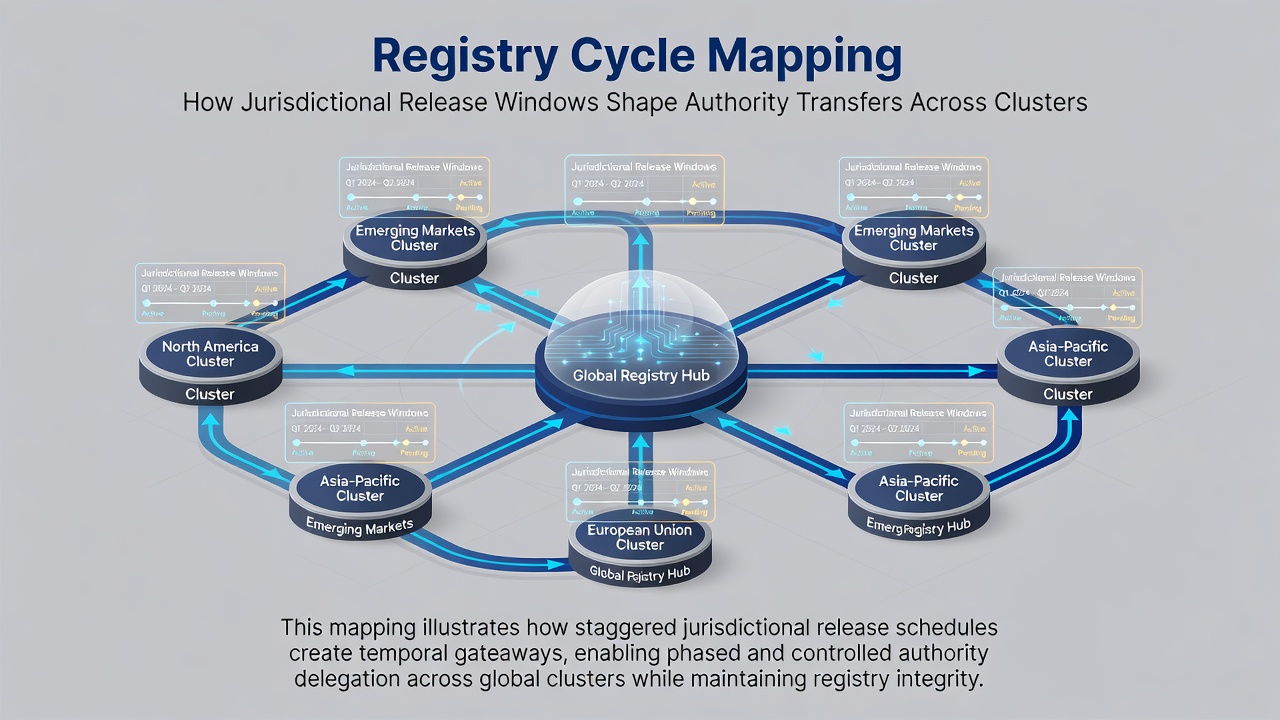
Impact on Clustered Web Assets
Clustered web assets consist of multiple domains that share thematic or structural connections and exchange authority through internal linking and external references, and the timing of jurisdictional releases determines whether these connections can be established before external factors such as competitor registrations intervene. Evidence from industry reports indicates that clusters built around synchronized release windows maintain higher average authority scores across the group because each domain begins its operational life with access to historical signals from earlier releases. When release windows in one jurisdiction close before those in another open, operators face forced delays that can interrupt the flow of authority and require additional external linking to compensate.
One documented case involved a cluster spanning .com, .de, and .au registries where a five-day offset in release timing allowed partial integration of authority signals before the Australian window opened, resulting in measurable continuity in backlink profiles according to archived crawl data. Such examples illustrate how precise mapping of jurisdictional cycles supports more consistent authority distribution across clustered assets.
Current Developments in July 2026
During July 2026 several registries introduced minor policy adjustments that affected release sequencing, including updates to auto-renew grace periods by the .eu registry managed by EURid and parallel changes in certain Asia-Pacific ccTLDs. These modifications shifted some availability dates by up to three days, which in turn influenced the construction timelines for clusters that rely on multi-jurisdictional acquisitions. Monitoring services tracking these changes reported increased activity in the days immediately following the adjusted windows, suggesting operators adapted their cycle maps to capture the new overlaps.
Conclusion
Registry cycle mapping provides a structured method for anticipating when domains become available across different jurisdictions, and the resulting timelines directly affect how authority signals transfer within clusters of web assets. By aligning acquisition sequences with documented release windows, operators can maintain continuity in authority metrics while navigating the varied policies that govern each registry. Ongoing adjustments to these windows, such as those observed in July 2026, continue to reshape the practical options available for building and sustaining clustered domain portfolios.