Seasonal Shifts in Secondary Market Pricing for Previously Registered Names and Their Effects on Collection Optimization
Bianca Schröder · Jun 16, 2026
Seasonal Shifts in Secondary Market Pricing for Previously Registered Names and Their Effects on Collection Optimization
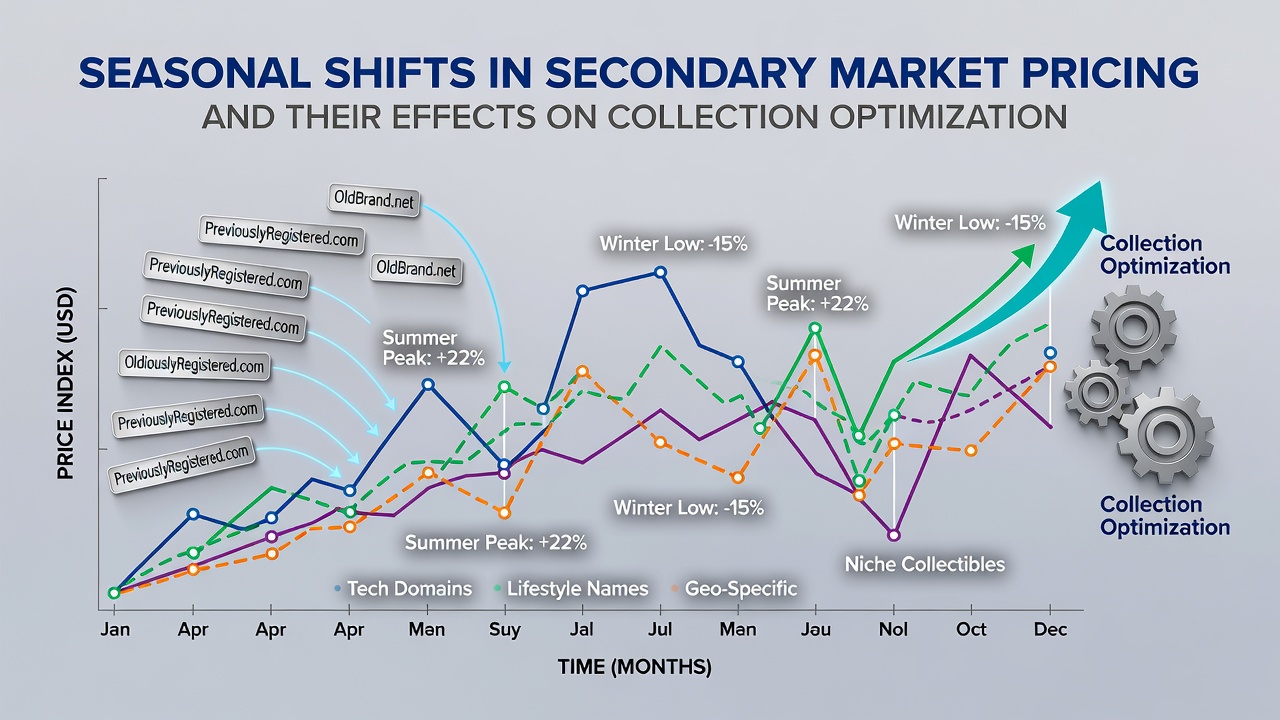
Secondary markets for previously registered domain names operate through platforms that facilitate transfers between owners, and these venues experience measurable price variations tied to calendar cycles. Data from major aftermarket venues shows consistent patterns where demand for certain name categories rises or falls depending on the time of year, which in turn influences how collectors structure their holdings for long-term efficiency.
Tracking Price Movements Across the Calendar
Researchers monitoring transactions on established marketplaces have documented higher average sale prices for commercial and brandable names during the final quarter of each year, while shorter and numeric strings often trade at steadier rates regardless of season. In June 2026, transaction logs indicated a noticeable dip in average realized prices for generic keyword domains compared with the preceding March period, a shift that aligned with broader patterns observed over multiple prior cycles. Observers note that these movements stem from buyer behavior rather than changes in underlying name quality, since the same strings reappear in listings at different price points throughout the year.
Factors Driving Seasonal Demand
Business planning cycles contribute to concentrated purchasing activity in late summer and early fall, when organizations allocate budgets for digital asset acquisitions. Conversely, periods following major holidays frequently see reduced bidding volume, which creates windows where motivated sellers accept lower offers to complete transfers. Academic analyses of aftermarket datasets confirm that geographic buyer distribution also plays a role, with North American participants showing stronger activity spikes in Q4 while European and Asia-Pacific users maintain more even participation across quarters.
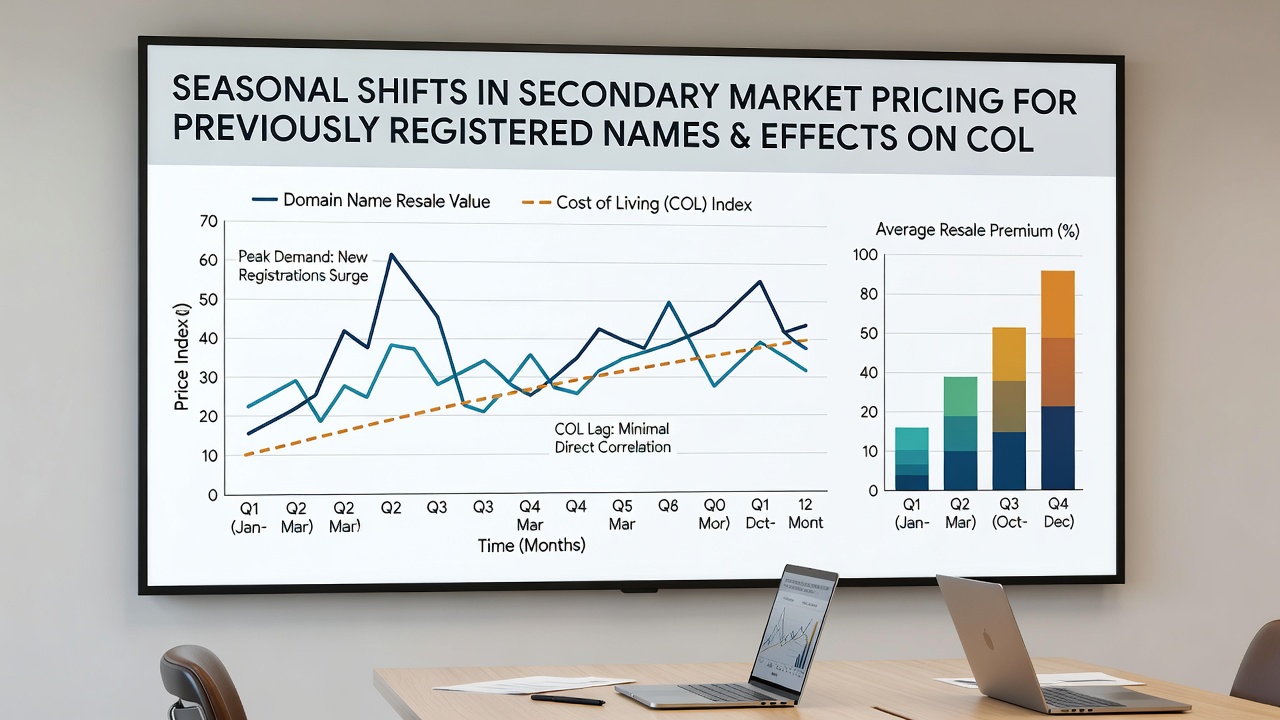
Those who study these trends point to external economic signals as additional contributors. Reports from industry tracking services indicate that advertising spend patterns correlate with domain acquisition timing, since companies seeking online presence often align purchases with campaign launches. This connection produces repeatable effects on the secondary market without altering the intrinsic characteristics of the names themselves.
Adjusting Collection Strategies to Market Cycles
Collection optimization involves balancing acquisition costs against projected holding periods and eventual disposition opportunities. When prices soften during traditionally quieter months, portfolio managers can acquire complementary names that fill gaps in category coverage at reduced entry points. Data indicates that names added during these intervals often require shorter subsequent holding times before resale interest reappears, improving overall turnover metrics.
Conversely, listings placed during peak demand windows tend to clear at higher multiples of their original acquisition cost. Collectors who maintain records of past transaction timing use these records to schedule both purchases and sales, aligning them with observed seasonal windows rather than reacting to individual listing events. This approach reduces exposure to price volatility while preserving flexibility to respond to unexpected opportunities.
Examples from Recent Market Activity
One documented case involved a collector who acquired several two-word brandable domains in February 2025 at levels below the quarterly average, then transferred them in October of the same year after interest from multiple end users pushed realized prices upward. Similar sequences appear across transaction histories, where timing relative to seasonal demand peaks determines the spread between entry and exit values.
Another instance showed a portfolio that incorporated numeric and short-character strings during a mid-year slowdown, names that later attracted steady inquiries when broader market activity increased. These examples illustrate how awareness of recurring patterns supports more deliberate decisions about which names to retain versus which to move at different points in the cycle.
Integration with Broader Portfolio Management
Effective optimization also accounts for renewal fees and holding costs that continue regardless of market conditions. By concentrating acquisitions during lower-price intervals, collectors can stretch acquisition budgets across a wider set of names while maintaining the same overall expenditure level. Studies of portfolio performance reveal that diversified timing of entries correlates with steadier appreciation curves compared with concentrated purchasing during high-demand periods.
Platforms that provide historical pricing data enable more precise calibration of these strategies. Collectors who cross-reference sale records with calendar dates identify which name categories exhibit the strongest seasonal amplitude, allowing targeted additions that complement existing holdings without duplicating exposure.
Conclusion
Seasonal pricing variations in the secondary market for previously registered names create measurable opportunities for refined collection management. Observers tracking transaction data across multiple years find that aligning acquisition and disposition timing with these patterns produces more consistent portfolio outcomes. Continued monitoring of market records remains essential for collectors seeking to adapt their approaches as broader economic and buyer behavior patterns evolve.