Synchronizing Acquisition Windows with Market Fluctuations for Enhanced Returns in Aged Property Portfolios
Avery Schmid · Jun 11, 2026
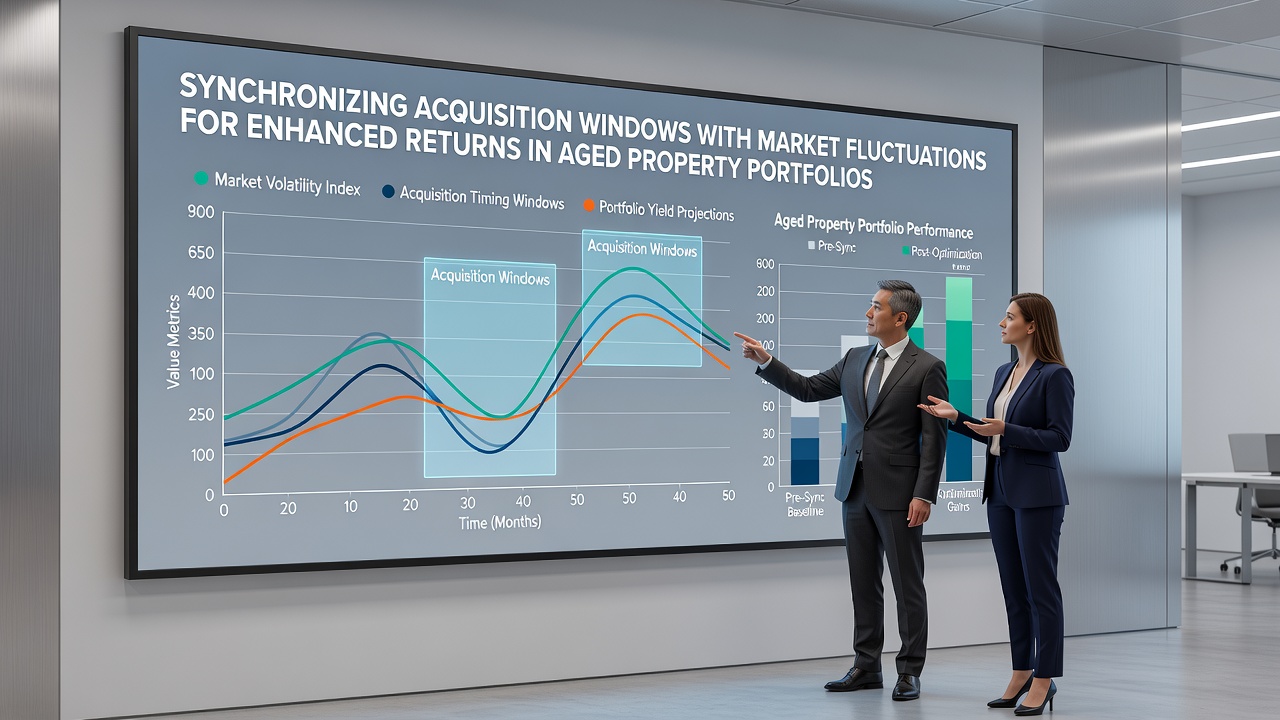
Synchronizing Acquisition Windows with Market Fluctuations for Enhanced Returns in Aged Property Portfolios
Portfolio managers handling aged properties track economic indicators such as interest rate shifts, employment data, and regional development trends to identify optimal purchase periods, and these windows often align with broader cycles that influence both acquisition costs and subsequent appreciation potential. Data from the Federal Reserve Economic Data system shows that older buildings in established urban zones have demonstrated measurable return variations tied directly to timing decisions over multi-year spans.
Understanding Market Cycles in Aged Real Estate
Aged properties, typically those constructed before 1980, respond differently to economic pressures compared to new developments because renovation costs, tenant demand patterns, and regulatory compliance factors introduce additional variables. Observers note that during periods of rising rates, sellers of these assets often adjust expectations faster than buyers anticipate, creating measurable entry points for those monitoring municipal permit volumes and vacancy statistics released quarterly.
Research from academic institutions across North America indicates that synchronized acquisitions during the early phases of recovery cycles have produced higher net yields in portfolios focused on heritage buildings and adaptive reuse projects. These patterns emerge because supply constraints in older housing stock amplify price movements once buyer confidence rebounds, while carrying costs remain relatively stable when financing aligns with the acquisition moment.
Data-Driven Timing Strategies
Analysts examine leading indicators including construction cost indices and regional migration reports to forecast when acquisition windows open widest. In June 2026, several metropolitan areas recorded notable increases in aged property listings coinciding with modest declines in benchmark lending rates, allowing buyers to structure purchases before inventory tightened again. Such alignments depend on consistent tracking of multiple data streams rather than isolated signals.
Portfolio records from institutional investors reveal that properties acquired during these synchronized intervals showed accelerated equity buildup once rental rates adjusted upward in subsequent quarters. The process involves layering transaction timing with projected cash flow stabilization, where aged assets benefit from established infrastructure that new builds lack.
Regional Variations and Portfolio Balancing
Markets in different geographic zones exhibit distinct fluctuation rhythms influenced by local employment sectors and zoning policy changes. European data compiled through statistical agencies demonstrates that portfolios combining assets from multiple regions achieve more consistent returns when acquisition activity shifts emphasis according to each area's cycle phase. This approach reduces exposure to synchronized downturns that can affect single-market holdings.
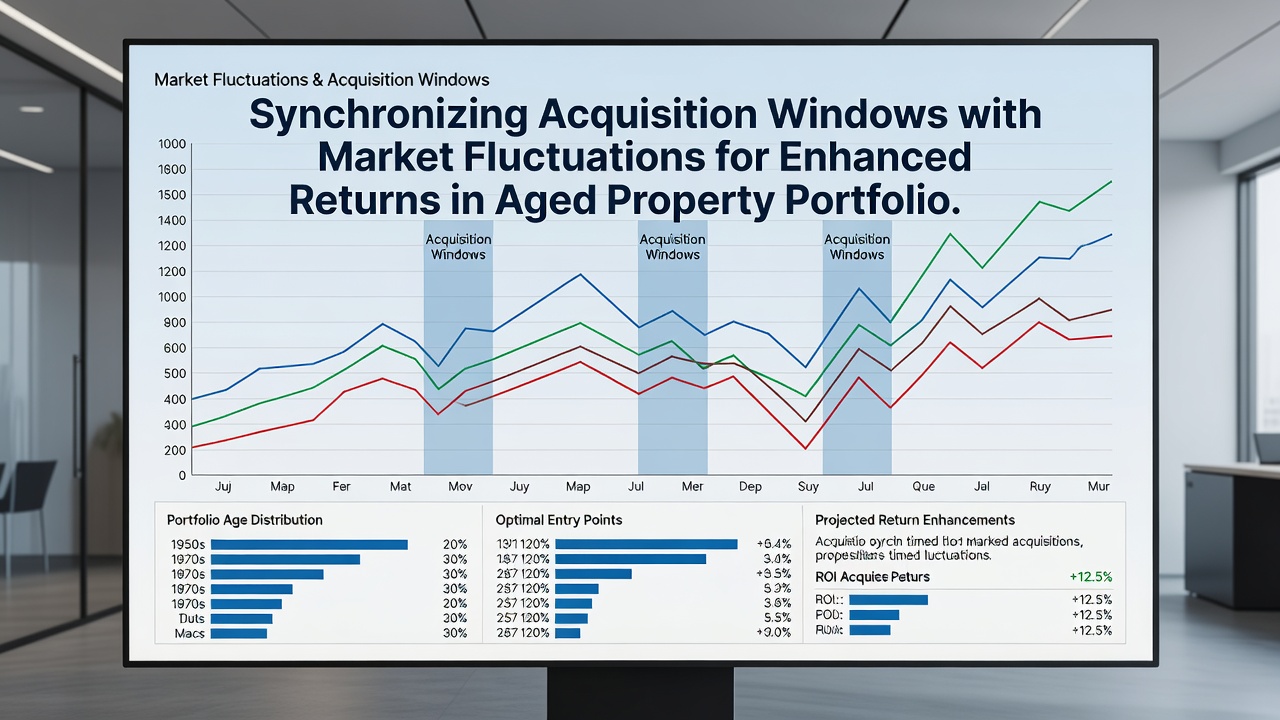
Canadian housing statistics further illustrate how cross-border capital flows influence aged property valuations, particularly in gateway cities where renovation incentives coincide with market softening. Managers who adjust purchase pacing based on these overlapping signals maintain steadier overall performance across the portfolio lifecycle.
Integration of Renovation and Financing Windows
Financing availability for aged properties often tightens or expands in tandem with broader lending conditions, and renovation grants or tax treatment changes can create secondary timing advantages. Those managing larger holdings coordinate these elements by reviewing lender appetite reports alongside municipal incentive announcements released on predictable schedules. Evidence from multiple portfolio case studies shows that aligning both acquisition and improvement phases within the same favorable window compounds the effect on final returns.
Longer holding periods typical for aged assets allow these timing benefits to compound through successive market movements, provided the initial purchase occurred at a point where entry pricing reflected temporary softness rather than peak demand. Portfolio rebalancing exercises then become opportunities to repeat the synchronization process with new assets entering the mix.
Conclusion
Effective management of aged property portfolios relies on continuous monitoring of interconnected market signals to identify acquisition windows that correspond with favorable pricing and financing conditions. Regional data sources and economic indicators provide the factual basis for these decisions, while documented patterns across multiple cycles demonstrate measurable impacts on overall returns when timing aligns consistently with fluctuation phases.