Temporal Dynamics in Web Address Releases: Timing Strategies for Building Resilient Online Property Portfolios
Bianca Schröder · Aug 13, 2026
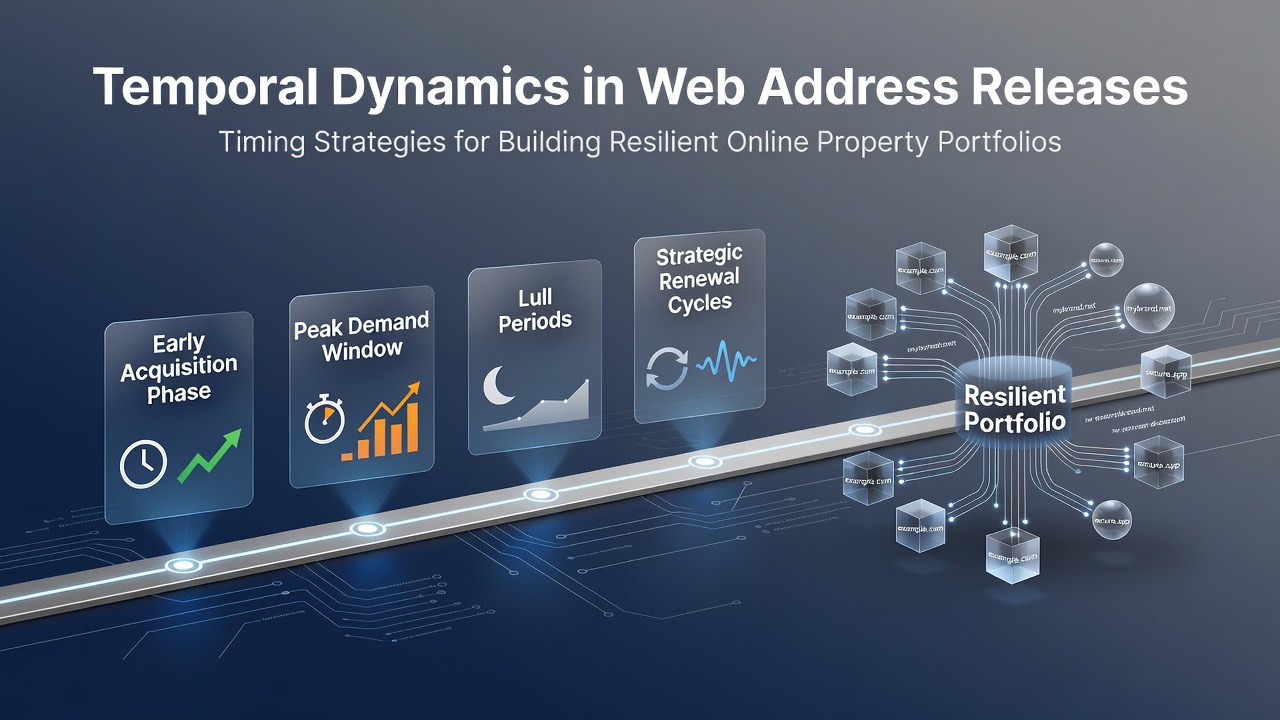
Temporal Dynamics in Web Address Releases: Timing Strategies for Building Resilient Online Property Portfolios
Web address releases follow predictable yet complex cycles that registries manage through structured phases including sunrise periods for trademark holders, landrush phases for general applicants, and general availability windows, and these patterns create opportunities for those building portfolios of online properties to align acquisitions with periods of lower competition and stable pricing structures. Observers note that major registries publish advance calendars detailing expected launch dates for new top-level domains, allowing portfolio managers to map out acquisition sequences months in advance while monitoring allocation rules that vary by extension type and geographic focus.
Registry Release Patterns Across Global Extensions
Data compiled by organizations such as ICANN shows that new generic top-level domain introductions typically progress through multiple stages over several months, and European registries like EURid coordinate similar timelines for regional extensions that incorporate eligibility verification steps before opening to broader registration. Analysts tracking these sequences find that staggered releases across different jurisdictions reduce simultaneous demand spikes, which in turn stabilizes renewal costs and availability metrics for long-term holders assembling diversified name collections. In August 2026 several registries are scheduled to initiate landrush phases for extensions focused on emerging technology sectors, and this timing aligns with broader industry cycles that have historically seen increased application volumes during the final quarter of each calendar year.
Strategic Acquisition Windows and Portfolio Construction
Portfolio builders examine historical release data to identify intervals where contention volumes remain moderate, and this approach involves cross-referencing public zone files with registry announcements to forecast periods of reduced bidding intensity. Those managing collections of web addresses often segment their strategies by extension category, allocating resources toward country-code domains during their respective renewal or re-delegation windows while reserving capital for generic extensions that follow annual application surges documented in industry reports. Research from academic sources tracking domain ecosystem metrics indicates that portfolios constructed across multiple release cycles demonstrate greater continuity in operational uptime compared with those concentrated around single launch events.
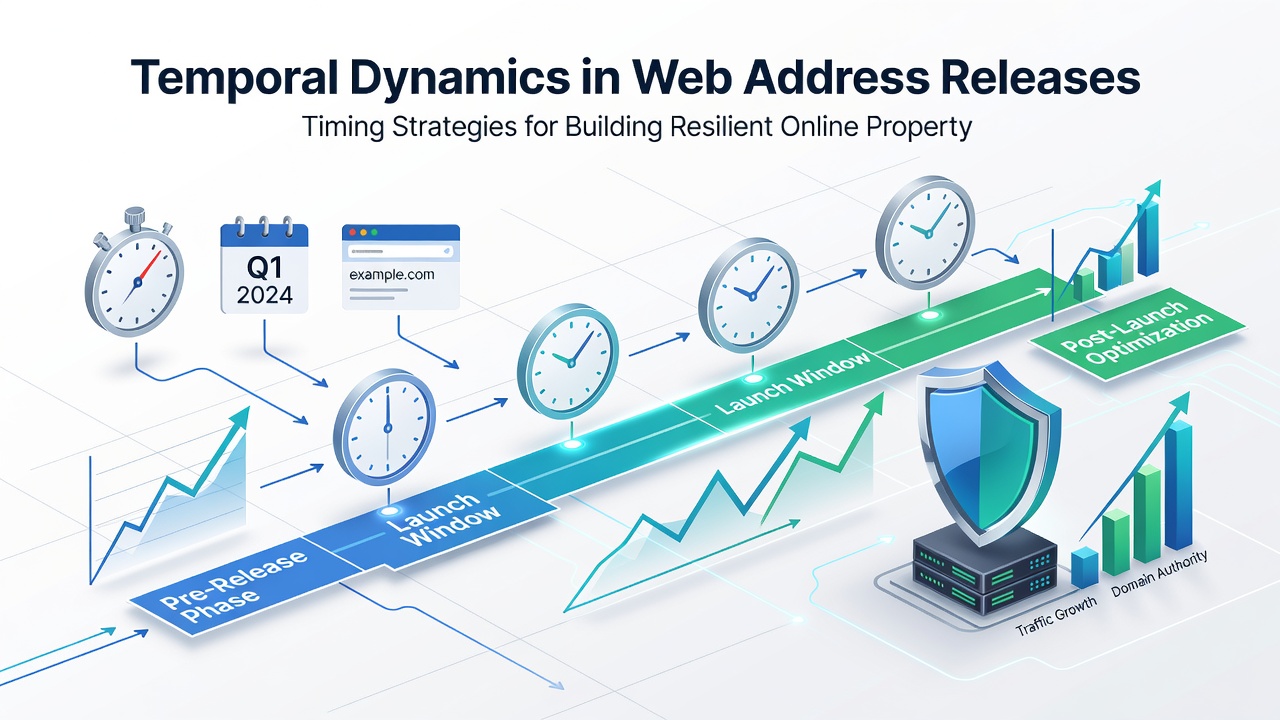
Timing decisions also incorporate external factors such as regulatory updates from bodies like the Australian Communications and Media Authority, which periodically adjusts rules governing .au namespace expansions, and these changes create secondary windows for strategic additions that complement existing holdings without overlapping primary acquisition phases. Portfolio resilience emerges from deliberate spacing of purchases that accounts for both immediate registration costs and projected renewal obligations over multi-year horizons.
Monitoring Tools and Data Integration Practices
Professionals utilize registry-provided APIs alongside third-party monitoring services to track pending releases in real time, and this integration allows for automated alerts that flag extensions entering their quiet periods ahead of public launches. Figures released by various national internet governance entities reveal consistent seasonal variations in registration activity, with certain months showing measurable declines that correspond to lower overall contention rates across monitored extensions. Those assembling resilient collections cross-reference these datasets with internal valuation models that factor in string length, keyword relevance, and historical resolution patterns to prioritize candidates during optimal windows.
Conclusion
Effective navigation of web address release timelines depends on systematic tracking of registry schedules combined with disciplined allocation across varied extension types and geographic regions. Observers continue to document how alignment with these temporal patterns supports the development of collections that maintain operational stability through changing market conditions and evolving namespace policies.